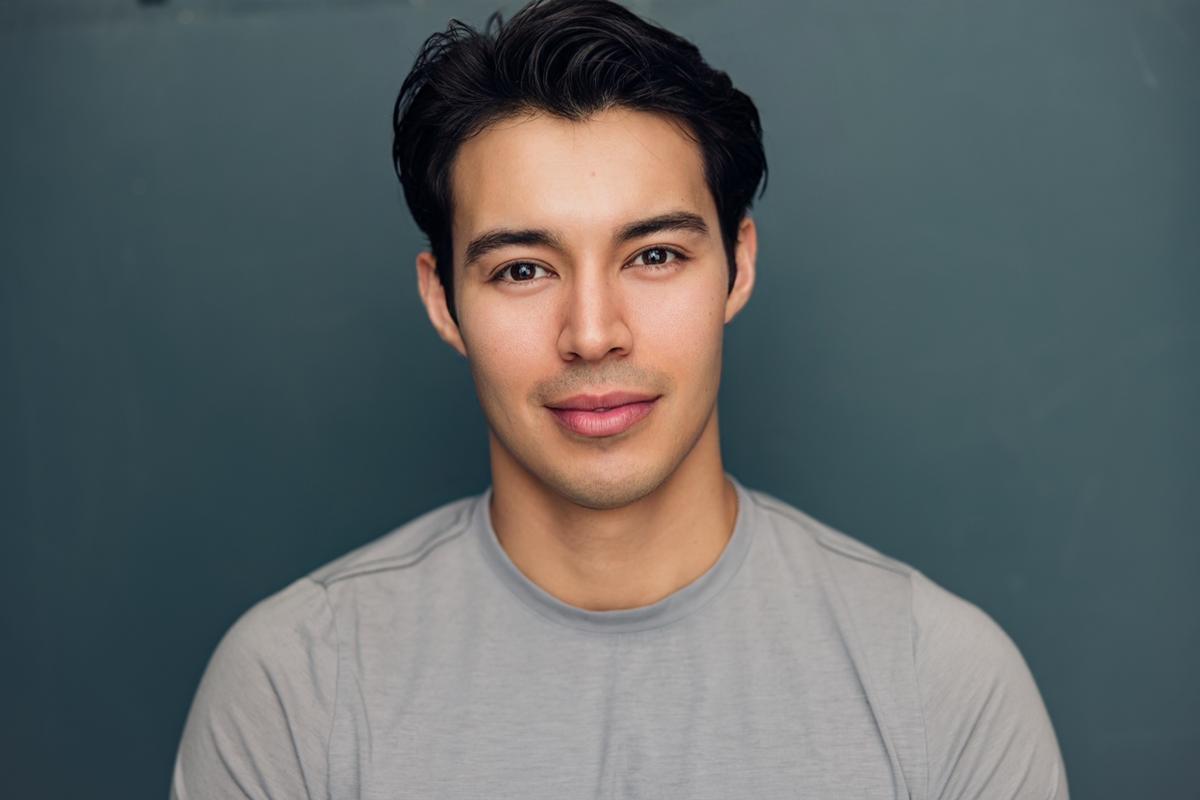
Some shows arrive with instant recognition. Dirty Dancing arrives with a pulse. Before audiences even settle into their seats, they already know the songs, the tension, the fantasy, and the feeling. That built-in cultural memory is part of what makes Dirty Dancing: The Musical such a charged live experience, according to Antony Sanchez, who plays Robbie and also performs in the ensemble of the new touring production headed to Chicago.
For Sanchez, the familiarity of the material was immediate. "Getting to dance and sing to songs that are so well known" felt natural, he said, especially because the soundtrack had been part of his life for years. But what surprised him was not the music itself. It was the way audiences respond to it in real time.
"Even the drums from the beginning of the show, people start screaming," Sanchez said. "When they hear a song that they know, you can hear people in the audience singing with us or clapping when we're singing 'Time of My Life.'" After years in musicals, he still sounds delighted by the scale of the reaction. "People really love this music so much."
Sometimes the atmosphere tips into something bigger than conventional musical theater. "It really does feel like a concert sometimes," he said, recalling a recent performance where a woman in the front row stood up mid-number, threw her hands in the air, danced with her husband, and kissed him. That kind of response says something deeper about the hold Dirty Dancing still has on people. It is not simply a familiar title. It is a shared emotional language.
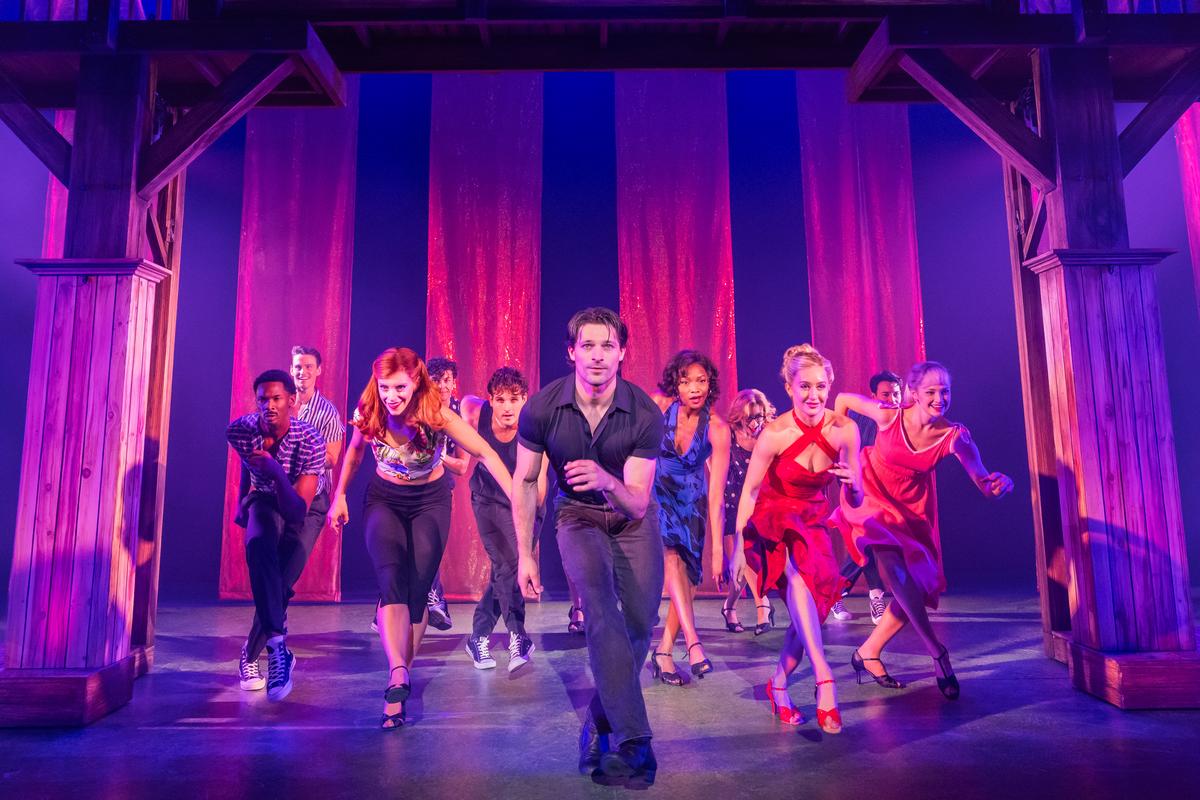
 Blake Zelesnikar (Johnny Castle) and the Dirty Dancing cast; credit: Matthew Murphy
Sanchez occupies two very different worlds inside the show. As Robbie, he gets to lean into a character audiences are more than ready to judge. As part of the ensemble, he gets to shed that polish and dive into the show's sweatier, freer physical world. He clearly relishes both.
"Robbie, he's just kind of, I don't know if I'm allowed to say this, he's an asshole," Sanchez said with a laugh. But he does not play him as a villain from the inside. "He thinks he's doing nothing wrong. He's just living his best life."
That refusal to flatten Robbie into a simple bad guy gives Sanchez an interesting entry point into the role. He sees the character's charm as part of the truth. "At the beginning, when you're trying to court someone, you are a little sweeter, you are a little nicer," he said. "You might not show them all your cards at the beginning, but eventually that's going to wear off."
Then there is the ensemble, where Sanchez gets to unlock a completely different physicality. Robbie is controlled, ambitious, and tightly composed. The ensemble lets him break that frame. "I get to be a dirty dancer," he said. "I don't have to be so prim and proper." The contrast is part of what makes the assignment satisfying. One role demands posture and restraint. The other invites release.
That same idea of release extends to the choreography itself. Sanchez credits choreographers Darrell Grand Moultrie and Abdur-Rahim Jackson with creating movement that feels alive instead of imposed. Rather than forcing dancers into one rigid style, he said, they shaped material around the bodies and instincts of the company.
"They're like, feel it, feel the music. How does your body move to it?" Sanchez said. For a show performed eight times a week, that kind of flexibility matters. It keeps the dancing from becoming mechanical, and it helps the emotional life of the scenes stay connected to the performer rather than just the counts.
His past experience in movement-heavy storytelling also informs the work. Sanchez previously played Bernardo in West Side Story, another role where physical presence communicates as much as text. That production was also directed by Lonny Price, who directs Dirty Dancing: The Musical.
Sanchez said both projects reinforced how much storytelling can live in the body before a character even speaks. "Just walking into a room is so important," he said. "How Bernardo walked into a room, as opposed to how Robbie walks into a room, as opposed to how a dirty dancer walks into the room, it's all completely different."
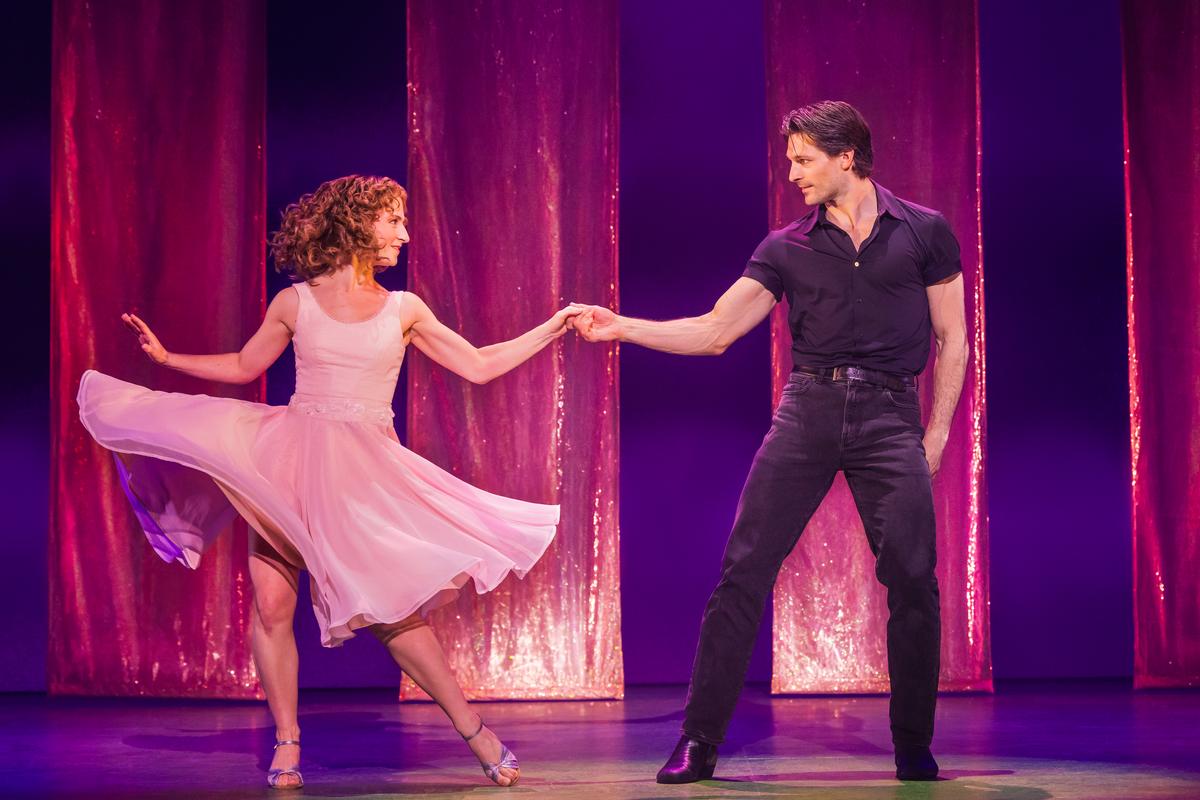
 Dirty Dancing Musical cast; credit: Matthew Murphy
Even with all that technique, what seems to matter most to Sanchez is the emotional exchange happening between stage and audience. He spoke movingly about a letter he received from a woman who came to see the show with her sister after their father died. Because Dirty Dancing had been something their family watched together, seeing the musical brought back a sense of closeness and, for a few hours, relief.
"For those two and a half hours, it was the first time that we got to laugh and be happy and smile," Sanchez recalled her writing. "You have no idea what these people are going through, but it really does bring them joy."
That may be the clearest explanation for why this material still lands. In a cultural moment saturated with spectacle and distraction, Sanchez believes audiences are craving a more human kind of escapism. "I think at the end of the day, people just want to feel good," he said. "If you want to feel something where it's just like you watch two people try to fall in love and try to make that work and you're rooting for them, that's really special."
That emotional arc also carries resonance for LGBTQ+ audiences, particularly in the story's undercurrent of self-discovery and stepping outside expectation. Sanchez said he connects strongly to Baby's journey toward independence and self-definition. "You're discovering so much about yourself while living life," he said. "It's not like you can pause it and figure it out."
For him, that ongoing process of becoming feels deeply familiar. Even in a heterosexual love story, the larger themes of identity, longing, class, freedom, and voice still register. Dirty Dancing may be remembered for its sensuality and iconic soundtrack, but Sanchez's reading of it is also about the courage to move toward yourself.
Offstage, he stays grounded through simple rituals. He journals. He carves out alone time in the middle of tour life. Sometimes that means a quiet couple of hours at the mall. "I didn't have to speak. I didn't have to be on for anyone," he said. "Then when I come back to the theater, I can be silly and rowdy and do whatever I want."
Asked what he hopes people say when they leave this production, Sanchez did not overcomplicate it. First, he wants them to say they had the time of their life. But beyond the obvious line, he wants them to feel surprised by how immersed they became.
"When people come to the show, it really feels like they're at camp with us," he said. "It's one thing to watch it from your couch on the TV, but it's different when the characters are right in front of you and you can see them sweat, or you can see them make decisions in real time and really feel like you are a part of our world."
If Sanchez has his way, Chicago audiences will leave Dirty Dancing: The Musical with more than a dose of nostalgia. They will leave feeling pulled into the story's heat, joy, and immediacy. The production plays Broadway In Chicago's James M. Nederlander Theatre from September 9 through 20, with tickets on sale now through Broadway In Chicago.
ABOUT BROADWAY IN CHICAGO
Broadway In Chicago was created in July 2000 and over the past 26 years has grown to be one of the largest commercial touring homes in the country. A Nederlander Presentation, Broadway In Chicago lights up the Chicago Theater District entertaining up to 1.7 million people annually in five theatres. Broadway In Chicago presents a full range of entertainment, including musicals and plays, on the stages of five of the finest theatres in Chicago’s Loop including the Cadillac Palace Theatre, CIBC Theatre, James M. Nederlander Theatre, The Auditorium, and just off the Magnificent Mile, the Broadway Playhouse at Water Tower Place.