
Generations connect at Oakton College for LGBTQ history month
Thu. October 8, 2026 7:13 PM by GoPride.com News Staff


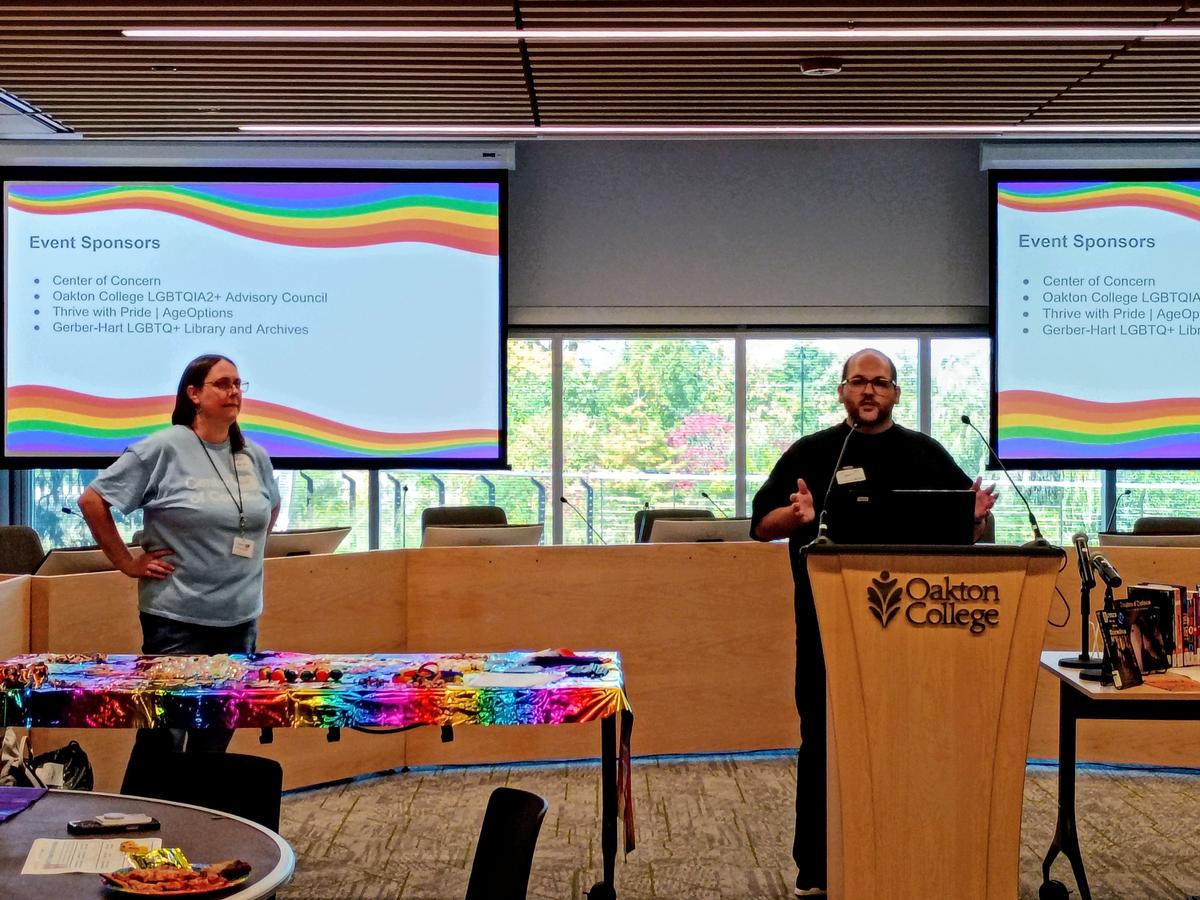
photo credit // michael oboza
Oakton College event brings generations together to reflect on queer history, resilience, and identity
CHICAGO, ILL. -
By Michael Oboza, Special to GoPride.com
It was the work of prior generations affected by challenging legislation that helped make change possible. Whether noted in banned books and history books or not, the roots of this resilience run deep.
Consider William Dorsey Swann, a formerly enslaved Black man and creator of the art of drag, who faced raids and arrests on his thirtieth birthday in 1888 and again in 1896, ultimately being sent to jail. Following his conviction, Swann became the first recorded Black gay person to use legal and political actions to fight for the right of LGBTQ people to assemble by petitioning President Grover Cleveland for a pardon, though it was denied.
While drag and dress codes remained illegal decades later, spaces still emerged. In 1935, Finnie's Drag Balls were organized by Alfred Finnie, an African American queer gambler and street hustler, in the basement of a Chicago Bronzeville tavern.
History is also marked by defiance in the face of mortal danger. Before his execution during the Holocaust in 1943, out gay Dutch author, artist, and resistance fighter Willem Arondeus stated, "Tell people that homosexuals are not cowards." Decades later in 1978, out gay politician Harvey Milk declared in his final speech before his assassination, "You have to give them hope."
Early advocates confronted laws that discriminated against LGBTQ people, labeled such individuals as deviants, and criminalized public gatherings under historical offenses like gross indecency, disorderly house statutes, and vagrancy. These laws resulted in police brutality, arrests, and the public exposure of names and alleged crimes in local and national publications. Some everyday people even lost their lives to make it legal to gather in public for future generations.
Today's gathering participants did not take their right to peacefully gather in public for granted.
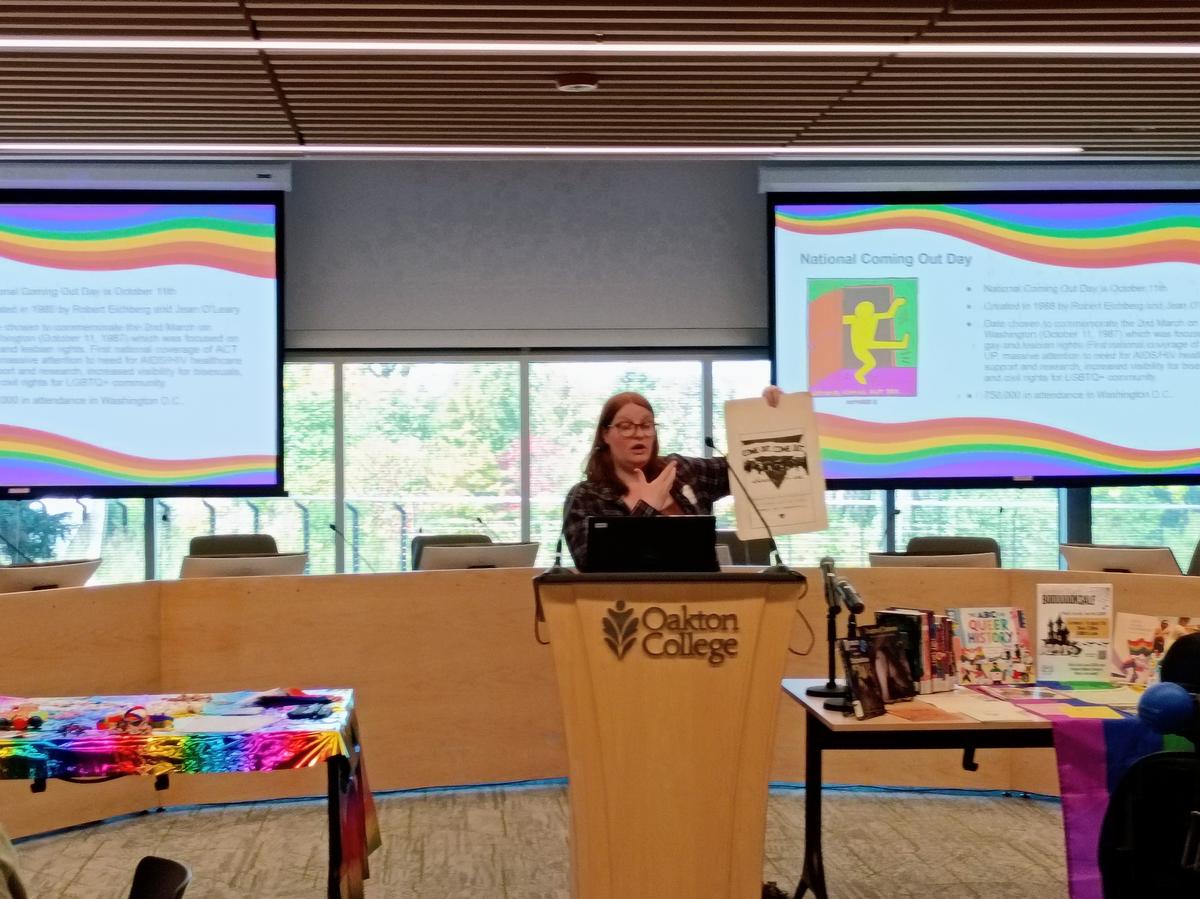
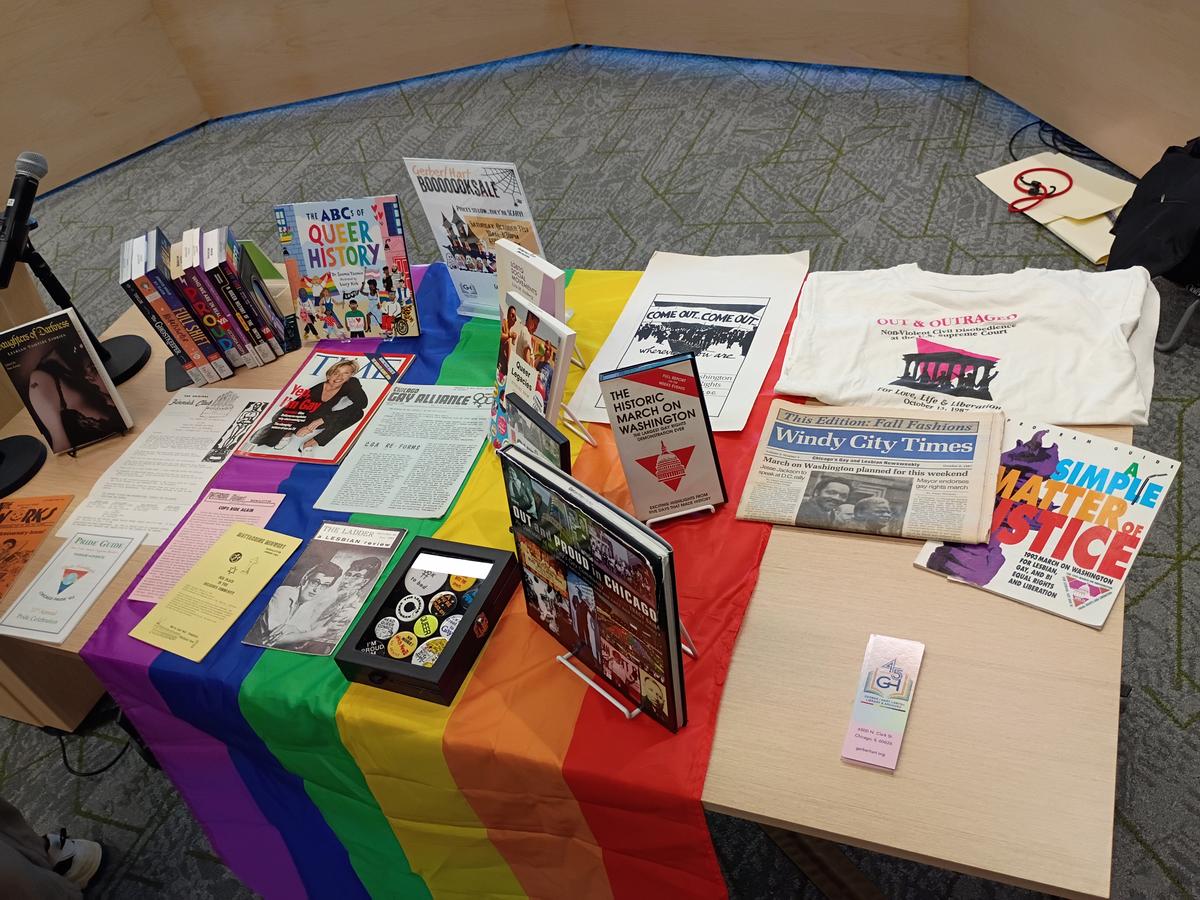
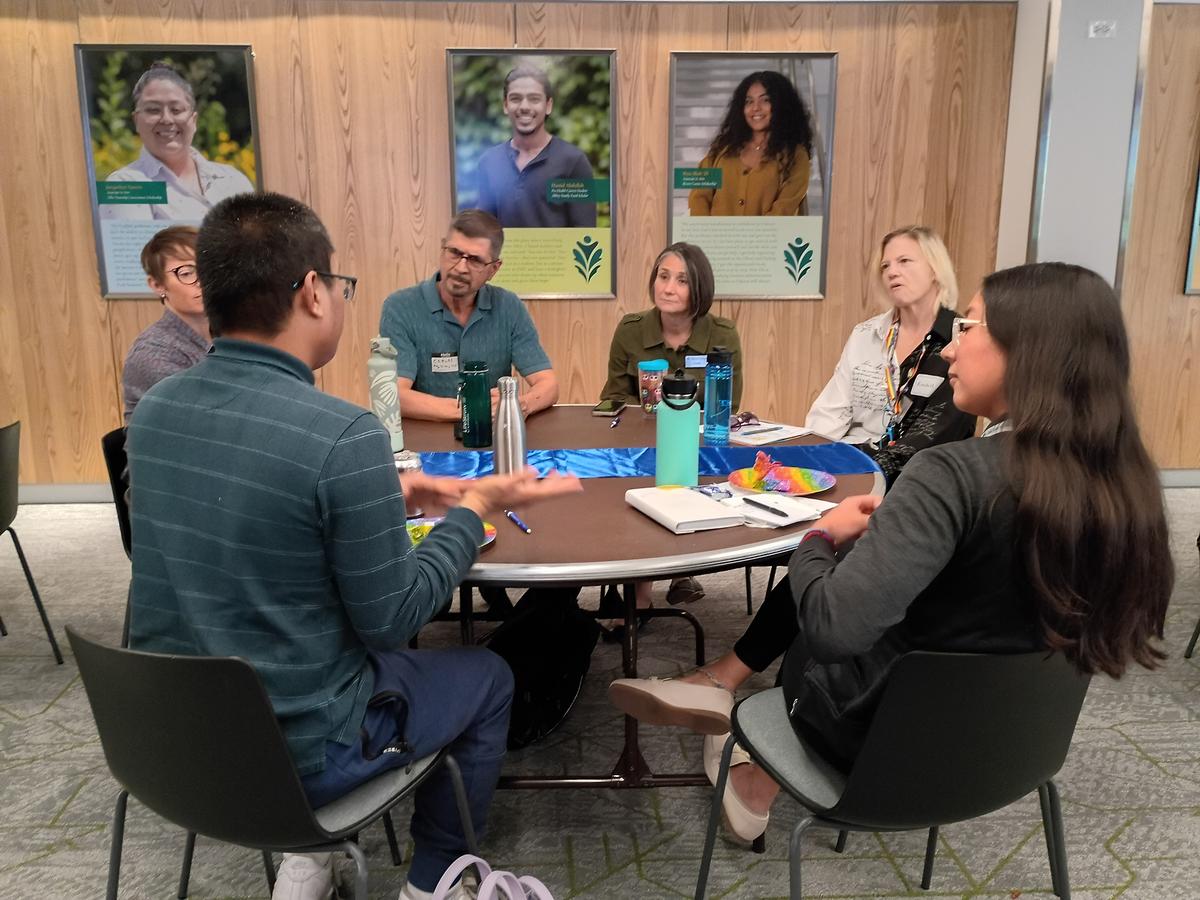
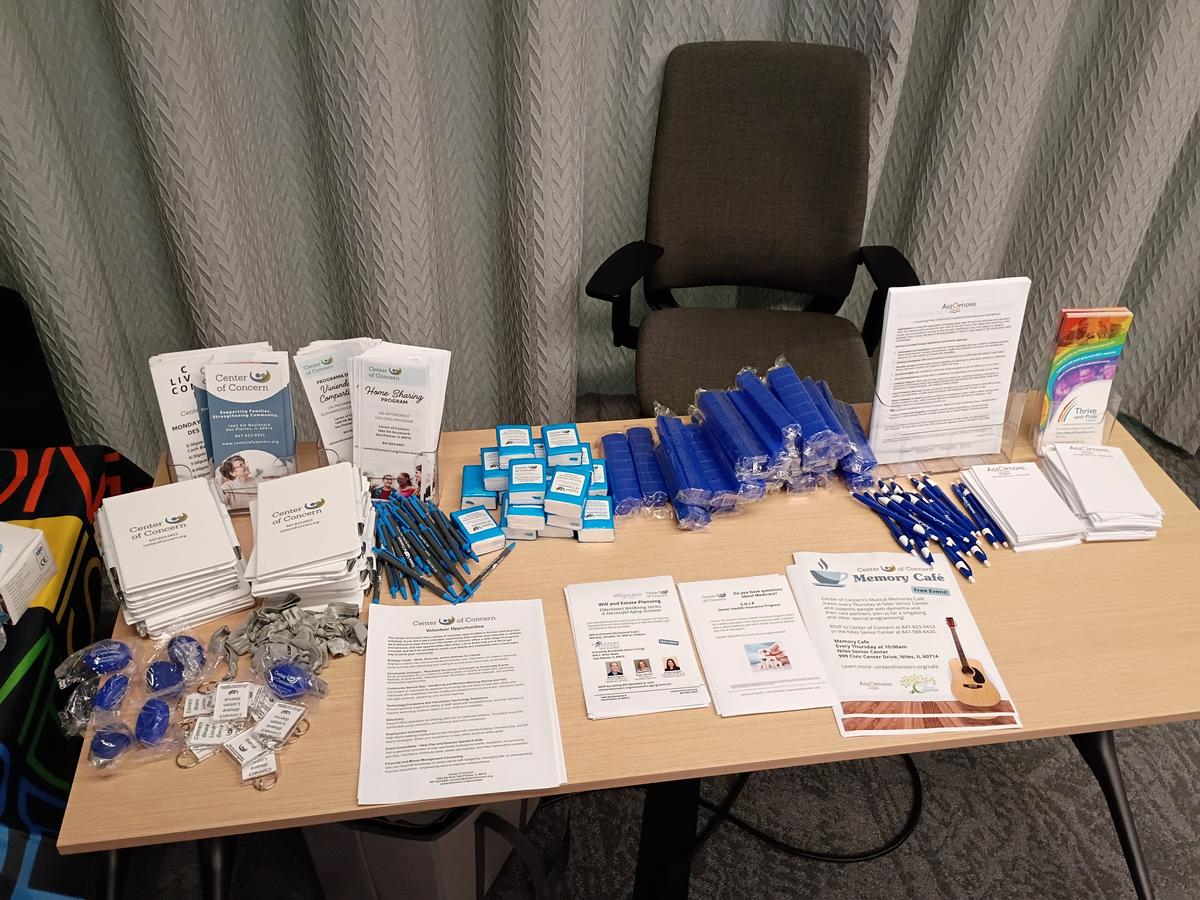
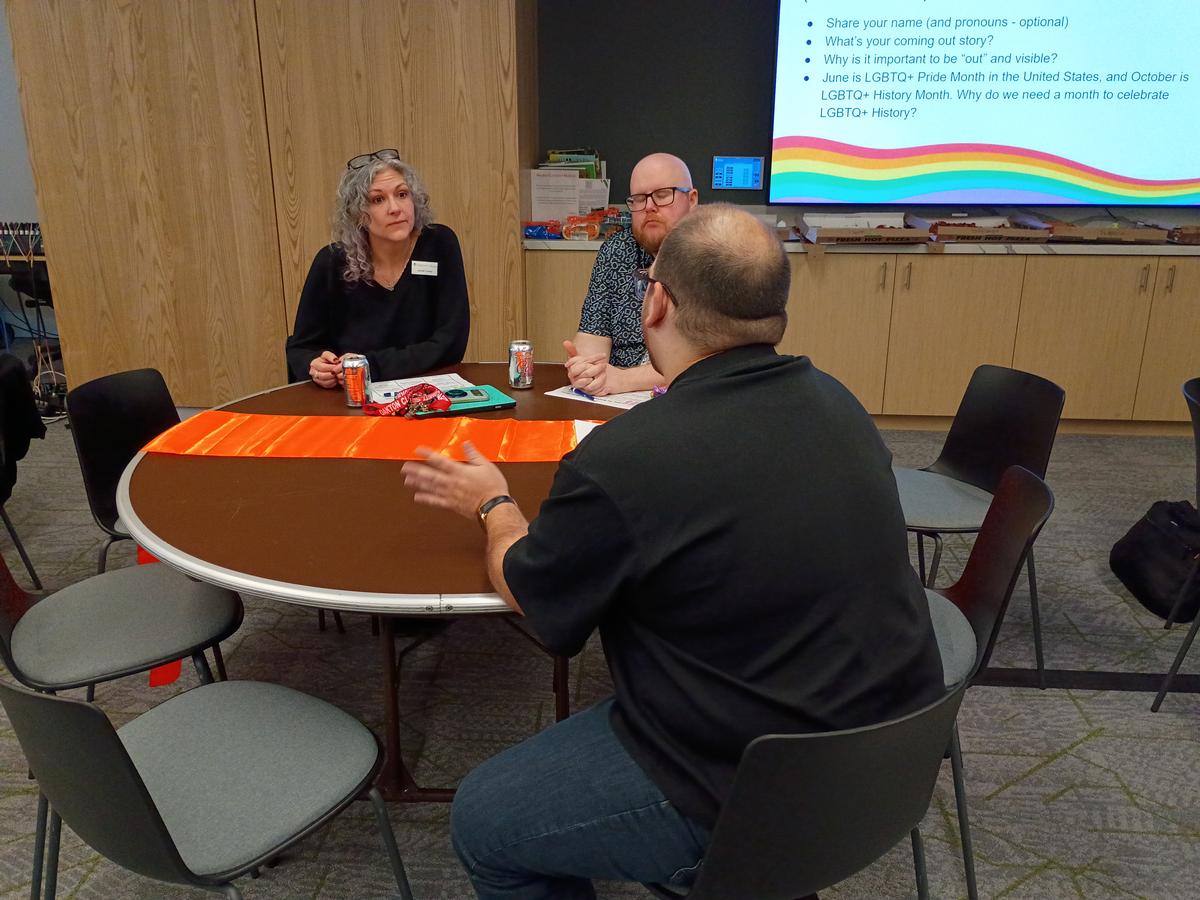
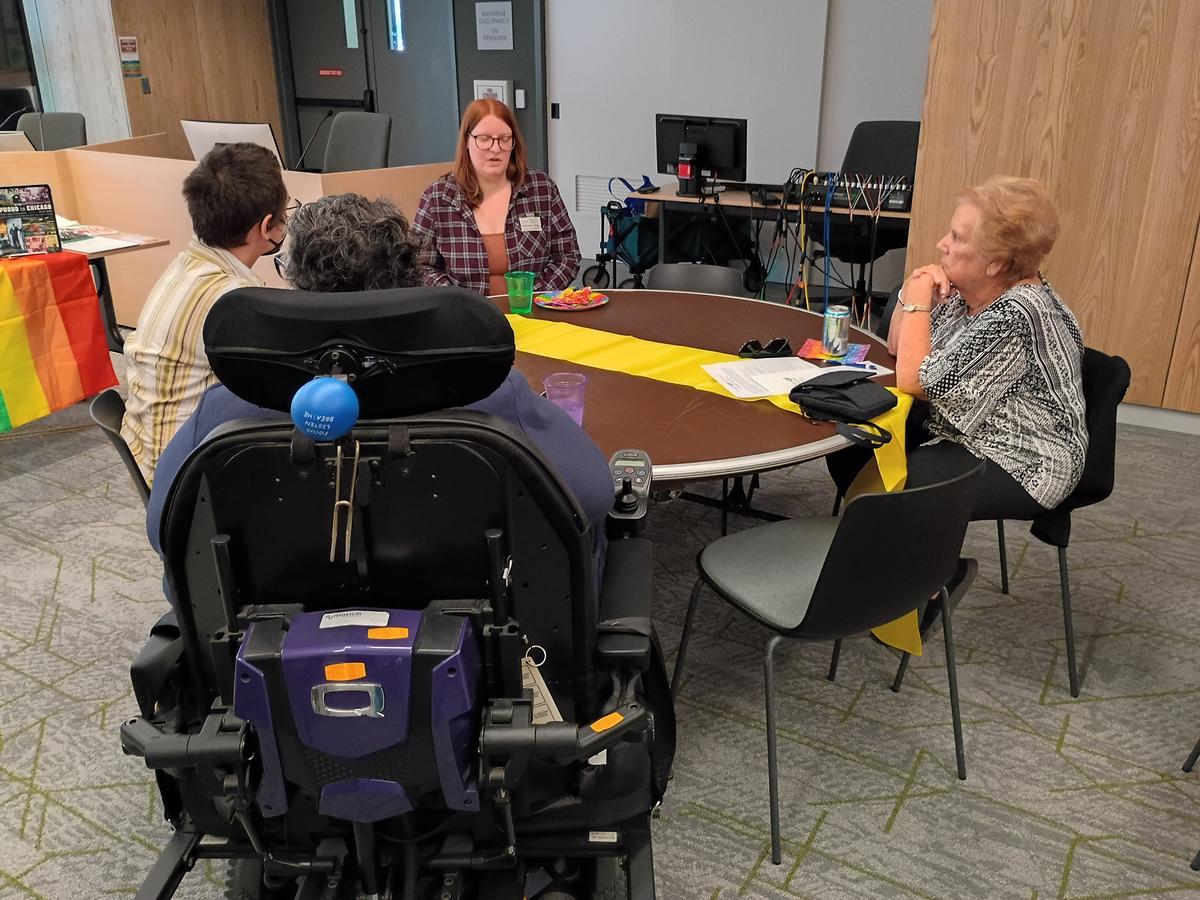
In a partnership involving Thrive with Pride (AgeOptions), Center of Concern, Oakton College, and Gerber Hart Library and Archives, the LGBTQ Advisory Council at Oakton College in Des Plaines hosted Pride Bites: An Intergenerational Chat. The event featured intergenerational history and identity discussions in small groups during LGBTQ History Month.
The event welcome began with a land acknowledgment.
"We continue to live and work on the traditional homelands stolen from many different Native peoples, including but not limited to the Bodéwadomi (Potawatomi), Ojibwe (Chippewa), Odawaa (Ottawa), Kiikaapoi (Kickapoo), Mamaceqtaw (Menominee), Myaamiaki (Miami), Thakiwaki (Sac and Fox) and Hoocagra (Ho-Chunk) nations," advisory council member Cameron Carrara explained. "Land of our Des Plaines campus nurtured a large Potawatomi settlement along the Des Plaines River. This was a site of trade, travel, and gathering for many Native people. With the lush forests and vibrant river, these communities flourished. These lands are still home to many Native people of many nations."
"Established in 2022," Carrara continued, "The LGBTQ Advisory Council is a volunteer group of Oakton College employees to improve campus climate for all of Oakton's LGBTQ community members."
The event also featured perspectives from community leaders like Jessie Maag, who represented the Center of Concern, co-led the grassroots organization SPEAK DesPlaines—which hosts the annual Pride Fest in DesPlaines—and received a community volunteer of excellence resolution award.
"The word ally hurts," Maag said, "Because my family's coming out stories gave me permission to interrogate my own gender and sexuality. As a result, I identify as a part of the queer community."
Following small group discussions led by Erin Bell, operations director of Gerber Hart Library and Archives, attendees shared their experiences from the event.
"As an older trans person, I talked with younger LGBTQ people in my small group with their groups of support," Audry Farber said. "I thought it be easier, but it's never easy coming out."
It was the work of prior generations affected by challenging legislation that helped make change possible. Whether noted in banned books and history books or not, the roots of this resilience run deep.
Consider William Dorsey Swann, a formerly enslaved Black man and creator of the art of drag, who faced raids and arrests on his thirtieth birthday in 1888 and again in 1896, ultimately being sent to jail. Following his conviction, Swann became the first recorded Black gay person to use legal and political actions to fight for the right of LGBTQ people to assemble by petitioning President Grover Cleveland for a pardon, though it was denied.
While drag and dress codes remained illegal decades later, spaces still emerged. In 1935, Finnie's Drag Balls were organized by Alfred Finnie, an African American queer gambler and street hustler, in the basement of a Chicago Bronzeville tavern.
History is also marked by defiance in the face of mortal danger. Before his execution during the Holocaust in 1943, out gay Dutch author, artist, and resistance fighter Willem Arondeus stated, "Tell people that homosexuals are not cowards." Decades later in 1978, out gay politician Harvey Milk declared in his final speech before his assassination, "You have to give them hope."
Early advocates confronted laws that discriminated against LGBTQ people, labeled such individuals as deviants, and criminalized public gatherings under historical offenses like gross indecency, disorderly house statutes, and vagrancy. These laws resulted in police brutality, arrests, and the public exposure of names and alleged crimes in local and national publications. Some everyday people even lost their lives to make it legal to gather in public for future generations.
Today's gathering participants did not take their right to peacefully gather in public for granted.
In a partnership involving Thrive with Pride (AgeOptions), Center of Concern, Oakton College, and Gerber Hart Library and Archives, the LGBTQ Advisory Council at Oakton College in Des Plaines hosted Pride Bites: An Intergenerational Chat. The event featured intergenerational history and identity discussions in small groups during LGBTQ History Month.
The event welcome began with a land acknowledgment.
"We continue to live and work on the traditional homelands stolen from many different Native peoples, including but not limited to the Bodéwadomi (Potawatomi), Ojibwe (Chippewa), Odawaa (Ottawa), Kiikaapoi (Kickapoo), Mamaceqtaw (Menominee), Myaamiaki (Miami), Thakiwaki (Sac and Fox) and Hoocagra (Ho-Chunk) nations," advisory council member Cameron Carrara explained. "Land of our Des Plaines campus nurtured a large Potawatomi settlement along the Des Plaines River. This was a site of trade, travel, and gathering for many Native people. With the lush forests and vibrant river, these communities flourished. These lands are still home to many Native people of many nations."
"Established in 2022," Carrara continued, "The LGBTQ Advisory Council is a volunteer group of Oakton College employees to improve campus climate for all of Oakton's LGBTQ community members."
The event also featured perspectives from community leaders like Jessie Maag, who represented the Center of Concern, co-led the grassroots organization SPEAK DesPlaines—which hosts the annual Pride Fest in DesPlaines—and received a community volunteer of excellence resolution award.
"The word ally hurts," Maag said, "Because my family's coming out stories gave me permission to interrogate my own gender and sexuality. As a result, I identify as a part of the queer community."
Following small group discussions led by Erin Bell, operations director of Gerber Hart Library and Archives, attendees shared their experiences from the event.
"As an older trans person, I talked with younger LGBTQ people in my small group with their groups of support," Audry Farber said. "I thought it be easier, but it's never easy coming out."