
Five novels that capture the true, human weight of HIV/AIDS
Fri. July 24, 2026 3:29 PM by Gerald Farinas



photo credit // thought catalog via unsplash.com
One novel takes place in Chicago's Boystown neighborhood
CHICAGO, ILL. -
There is a distinct kind of clarity that only fiction can provide. Every single day, I make it a point to spend at least an hour reading—a steady habit tracked faithfully on my Kindle app. Over years of swiping through pages, I have realized that while news headlines can give us raw facts, fiction gives us the human heart behind them.
The most complex social issues of our world are rarely understood through statistics alone. They require a writer who can capture intricate, intimate details and express them through characters you feel bound to at a deeply personal level.
I felt this profoundly when I read Barbara Kingsolver’s Pulitzer Prize-winning novel "Demon Copperhead." Through the eyes of a single boy in the mountains of Virginia, the devastation of the nation’s opioid crisis transformed from an abstract national headline into a visceral, lived experience of grief, systemic failure, and survival. I felt it again when reading Alan Brennert’s historical novel "Molokai," which follows young Rachel Kalama after she is exiled to the Kalaupapa leper colony on Moloka'i in kingdom-era, turn-of-the-century Hawaii. Through her story, the heavy politicization of healthcare policy and the cruel isolation of the sick became an agonizingly intimate human reality.
That same literary power is essential today for understanding the true, ongoing weight of the HIV/AIDS epidemic. The crisis never truly ended, and as political shifts and policy changes continually threaten funding and dismantle critical HIV/AIDS programs, the human stakes remain as urgent as ever.
To grasp the depth of this epidemic—its history, its grief, its global reach, and its enduring resilience—here are five extraordinary novels that capture the crisis with unforgettable humanity.
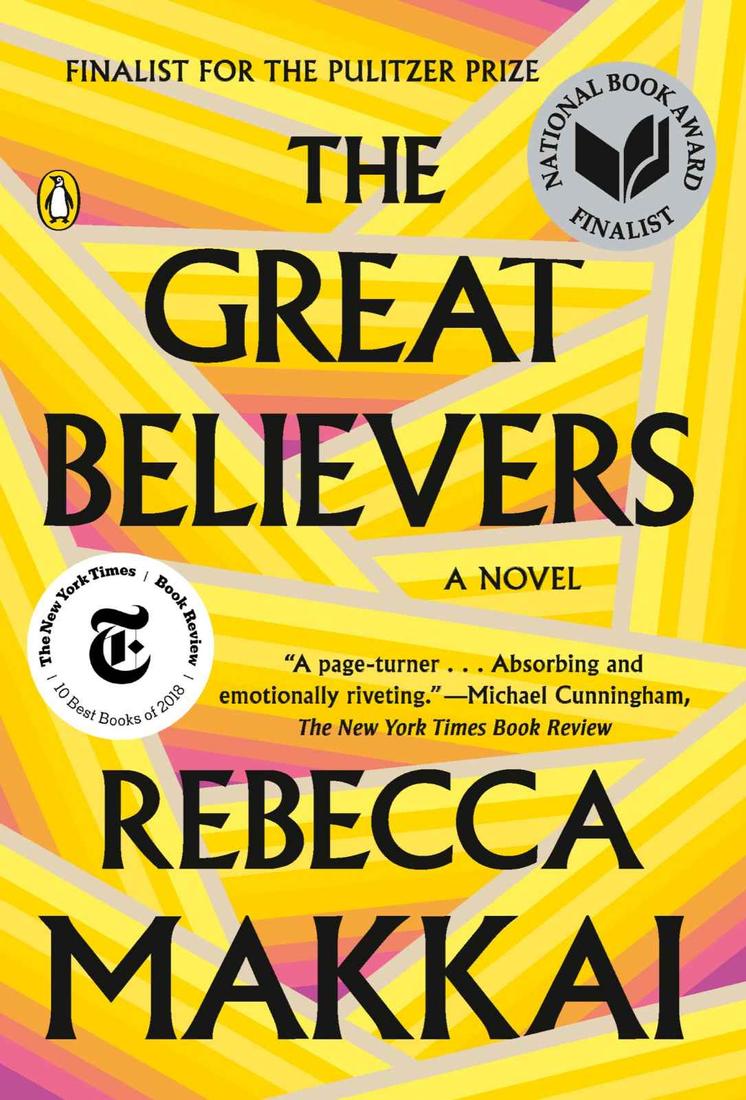
1. "The Great Believers" by Rebecca Makkai (2018)
Makkai’s novel dual-tracks the height of the epidemic in Chicago’s Boystown neighborhood during the 1980s alongside the long shadow it casts in Paris in 2015. It centers on Yale Tishman, a young art director whose circle of friends is systematically decimated by the virus, and Fiona, the sister of his late friend, who grapples decades later with the lasting trauma of having served as a caretaker for a generation of young men.
What makes this novel so deeply moving is its ability to capture both the immediate terror of the early crisis and the lingering, quiet grief of its survivors. Makkai treats the community with boundless affection, balancing devastating loss with moments of intense warmth and artful beauty.
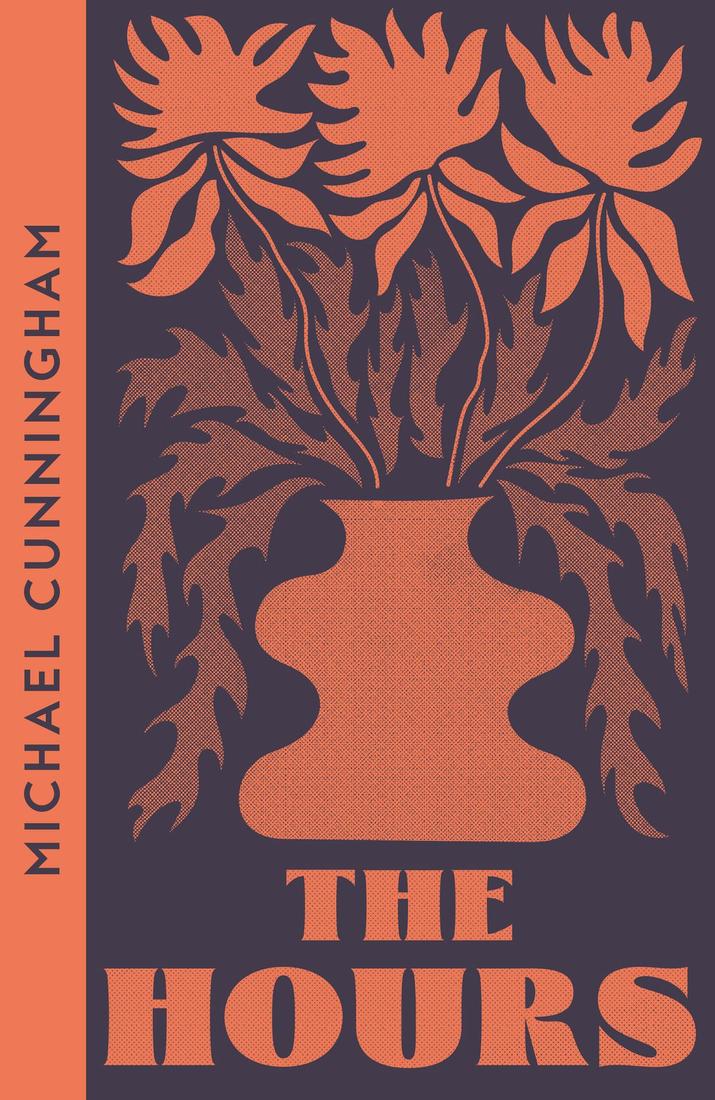
2. "The Hours" by Michael Cunningham (1998)
In this Pulitzer Prize-winning masterpiece, Cunningham reimagines Virginia Woolf’s "Mrs. Dalloway" across three different eras, weaving them together with breathtaking grace. In late-1990s Greenwich Village, Clarissa Vaughan spends a single day preparing a party for her close friend and former lover, Richard, a brilliant poet entering the final stages of an AIDS-related illness.
Rather than focusing strictly on the medical realities of the virus, Cunningham captures the quiet dignity of living alongside it. The novel explores how love, art, and long friendship endure even as a body slows down, offering a poignant look at devotion amidst terminal illness.
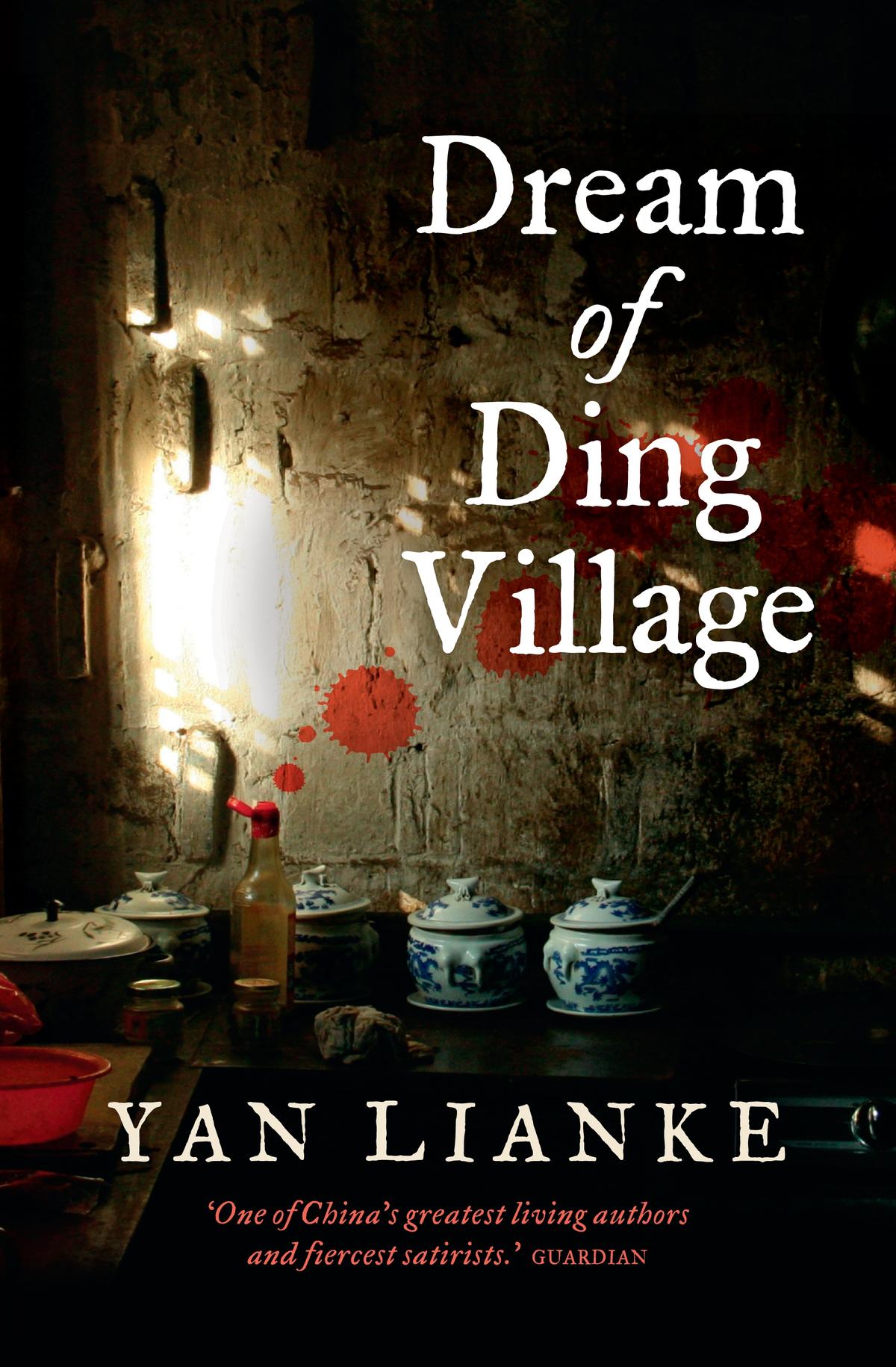
3. "Dream of Ding Village" by Yan Lianke (2006)
Offering a vital international perspective outside Western narratives, this novel addresses the real-life blood-selling scandals in rural Henan Province, China, during the 1990s. Encouraged by local leaders to sell their blood plasma under unsanitary conditions, entire farming villages were exposed to HIV. Narrated by the ghost of a young boy, the story follows the tragic fallout as his grandfather attempts to care for the dying.
Yan Lianke uses a haunting, almost surreal narrative style to critique institutional corruption and greed. It is a devastating, crucial read that illuminates how poverty and policy failure can compound a public health catastrophe.
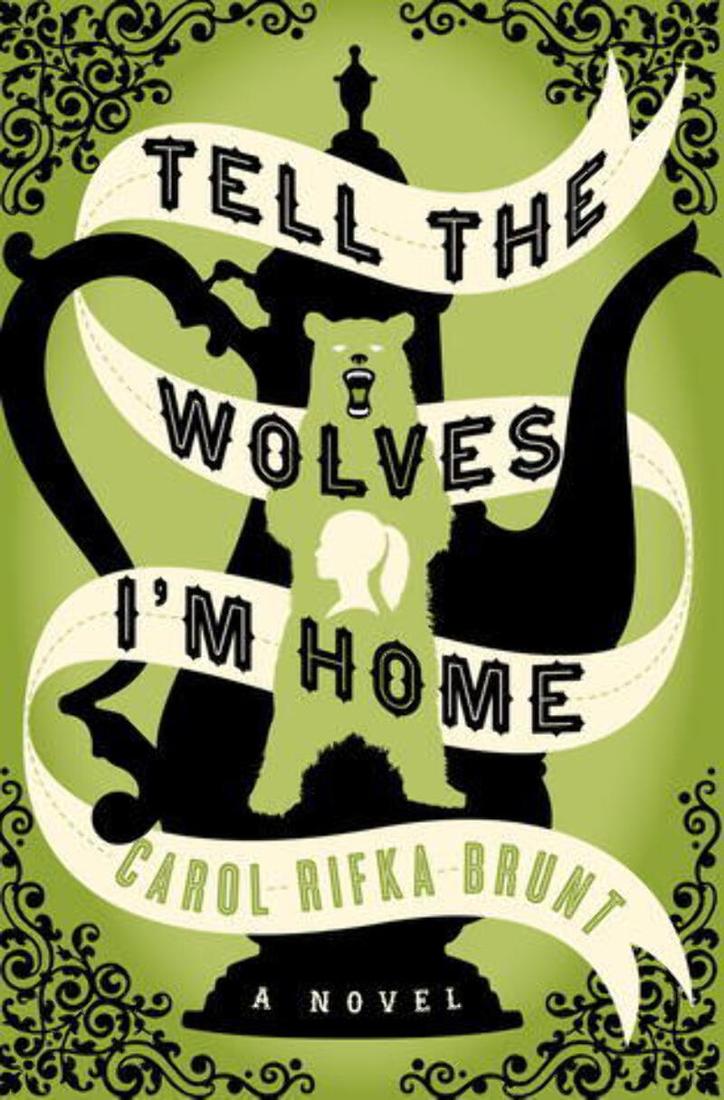
4. "Tell the Wolves I'm Home" by Carol Rifka Brunt (2012)
Set in 1987, this coming-of-age story is told through the eyes of 14-year-old June Elbus. When her beloved uncle Finn, a renowned painter, dies from a mystery illness her family refuses to name, June's world shatters. In the aftermath, she is quietly contacted by Toby, Finn’s secret long-term partner, whom June’s mother fiercely blames for Finn's illness.
By filtering the epidemic through the gentle perspective of a child, Brunt beautifully unpacks the social stigma, shame, and fear that surrounded AIDS in the late 1980s. It is an aching, compassionate story about grief, misunderstandings, and finding healing in unexpected places.
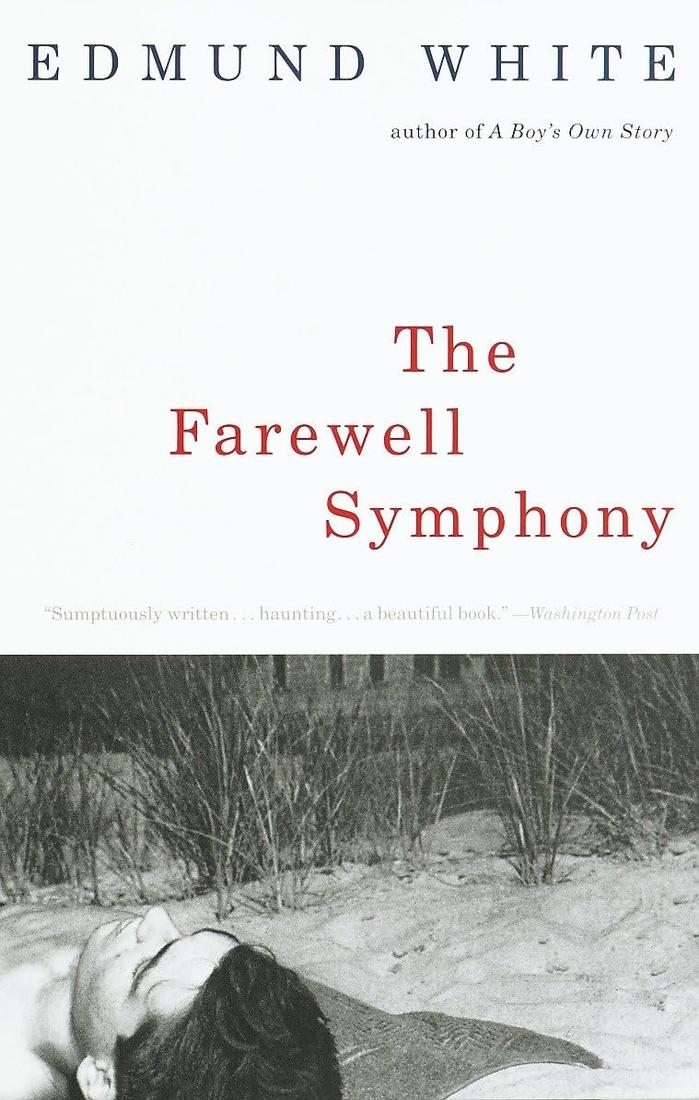
5. "The Farewell Symphony" by Edmund White (1997)
The third installment in White's autobiographical trilogy, this sweeping novel chronicles gay life before and during the height of the epidemic. Moving from post-Stonewall sexual liberation in the 1960s and 1970s to the devastating nightmare of the 1980s, the narrator watches his world transform as friend after friend—and eventually his own partner—succumbs to the disease.
As a writer who lived through the era firsthand, White offers an irreplaceable cultural document. The novel stands as a brilliant, unsparing monument to a lost generation of artists, intellectuals, and lovers whose voices were cut short.
Narrowing down a reading list on this topic to just five titles barely scratches the surface, and frankly, it would take up far too many column inches to unpack the dozens of other incredible novels that confront the epidemic.
If you are looking to build out your digital bookshelf even further, two additional works deserve a place on your radar. The first is "In Memory of Her" by Mark Childress, a beautifully painful look at small-town Southern secrecy and the quiet grace found in caretaking. The second is "As of Yesterday" by Sarah Schulman, which tackles the raw political urgency, grassroots activism, and systemic neglect of early ACT UP era New York with ferocious honesty. Both illustrate, in their own powerful ways, how fiction keeps our collective memory alive when policy and history threaten to erase it.
The most complex social issues of our world are rarely understood through statistics alone. They require a writer who can capture intricate, intimate details and express them through characters you feel bound to at a deeply personal level.
I felt this profoundly when I read Barbara Kingsolver’s Pulitzer Prize-winning novel "Demon Copperhead." Through the eyes of a single boy in the mountains of Virginia, the devastation of the nation’s opioid crisis transformed from an abstract national headline into a visceral, lived experience of grief, systemic failure, and survival. I felt it again when reading Alan Brennert’s historical novel "Molokai," which follows young Rachel Kalama after she is exiled to the Kalaupapa leper colony on Moloka'i in kingdom-era, turn-of-the-century Hawaii. Through her story, the heavy politicization of healthcare policy and the cruel isolation of the sick became an agonizingly intimate human reality.
That same literary power is essential today for understanding the true, ongoing weight of the HIV/AIDS epidemic. The crisis never truly ended, and as political shifts and policy changes continually threaten funding and dismantle critical HIV/AIDS programs, the human stakes remain as urgent as ever.
To grasp the depth of this epidemic—its history, its grief, its global reach, and its enduring resilience—here are five extraordinary novels that capture the crisis with unforgettable humanity.
1. "The Great Believers" by Rebecca Makkai (2018)
Makkai’s novel dual-tracks the height of the epidemic in Chicago’s Boystown neighborhood during the 1980s alongside the long shadow it casts in Paris in 2015. It centers on Yale Tishman, a young art director whose circle of friends is systematically decimated by the virus, and Fiona, the sister of his late friend, who grapples decades later with the lasting trauma of having served as a caretaker for a generation of young men.
What makes this novel so deeply moving is its ability to capture both the immediate terror of the early crisis and the lingering, quiet grief of its survivors. Makkai treats the community with boundless affection, balancing devastating loss with moments of intense warmth and artful beauty.
2. "The Hours" by Michael Cunningham (1998)
In this Pulitzer Prize-winning masterpiece, Cunningham reimagines Virginia Woolf’s "Mrs. Dalloway" across three different eras, weaving them together with breathtaking grace. In late-1990s Greenwich Village, Clarissa Vaughan spends a single day preparing a party for her close friend and former lover, Richard, a brilliant poet entering the final stages of an AIDS-related illness.
Rather than focusing strictly on the medical realities of the virus, Cunningham captures the quiet dignity of living alongside it. The novel explores how love, art, and long friendship endure even as a body slows down, offering a poignant look at devotion amidst terminal illness.
3. "Dream of Ding Village" by Yan Lianke (2006)
Offering a vital international perspective outside Western narratives, this novel addresses the real-life blood-selling scandals in rural Henan Province, China, during the 1990s. Encouraged by local leaders to sell their blood plasma under unsanitary conditions, entire farming villages were exposed to HIV. Narrated by the ghost of a young boy, the story follows the tragic fallout as his grandfather attempts to care for the dying.
Yan Lianke uses a haunting, almost surreal narrative style to critique institutional corruption and greed. It is a devastating, crucial read that illuminates how poverty and policy failure can compound a public health catastrophe.
4. "Tell the Wolves I'm Home" by Carol Rifka Brunt (2012)
Set in 1987, this coming-of-age story is told through the eyes of 14-year-old June Elbus. When her beloved uncle Finn, a renowned painter, dies from a mystery illness her family refuses to name, June's world shatters. In the aftermath, she is quietly contacted by Toby, Finn’s secret long-term partner, whom June’s mother fiercely blames for Finn's illness.
By filtering the epidemic through the gentle perspective of a child, Brunt beautifully unpacks the social stigma, shame, and fear that surrounded AIDS in the late 1980s. It is an aching, compassionate story about grief, misunderstandings, and finding healing in unexpected places.
5. "The Farewell Symphony" by Edmund White (1997)
The third installment in White's autobiographical trilogy, this sweeping novel chronicles gay life before and during the height of the epidemic. Moving from post-Stonewall sexual liberation in the 1960s and 1970s to the devastating nightmare of the 1980s, the narrator watches his world transform as friend after friend—and eventually his own partner—succumbs to the disease.
As a writer who lived through the era firsthand, White offers an irreplaceable cultural document. The novel stands as a brilliant, unsparing monument to a lost generation of artists, intellectuals, and lovers whose voices were cut short.
Narrowing down a reading list on this topic to just five titles barely scratches the surface, and frankly, it would take up far too many column inches to unpack the dozens of other incredible novels that confront the epidemic.
If you are looking to build out your digital bookshelf even further, two additional works deserve a place on your radar. The first is "In Memory of Her" by Mark Childress, a beautifully painful look at small-town Southern secrecy and the quiet grace found in caretaking. The second is "As of Yesterday" by Sarah Schulman, which tackles the raw political urgency, grassroots activism, and systemic neglect of early ACT UP era New York with ferocious honesty. Both illustrate, in their own powerful ways, how fiction keeps our collective memory alive when policy and history threaten to erase it.