
Five Years Later: Remembering Ed Negron and his legacy
Thu. July 23, 2026 12:19 AM by GoPride.com News Staff


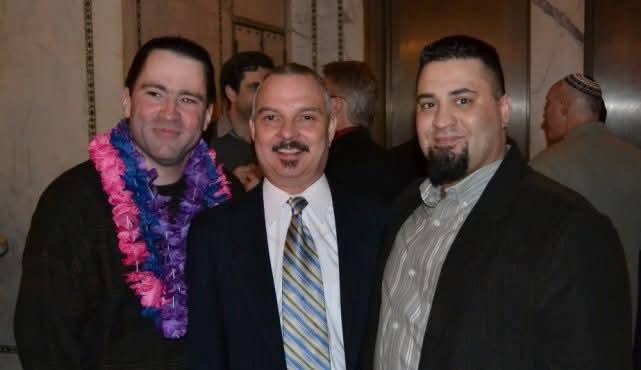
photo credit // michael oboza
OP-ED BY MICHAEL OBOZA
CHICAGO, ILL. -
By Michael Oboza, Special to GoPride.com
“Ed said yes.”
Those are my three favorite words. They are poetry that peacefully haunts me, reminding me of a time when the world meant something to me. Something bigger than myself.
It all began for me when I carried or wore the bisexual and transgender flags around the time they were created in the late 1990s by Michael Page and veteran Monica Helms, respectively. As an intersectional radical queer feminist, I learned from those who came before me. Helms and Page, in particular, taught me that visibility matters.
Throughout my journey, I received nominations and accolades for my advocacy. Yet my greatest success had nothing to do with me, and it had not happened yet.
In 2008, I began volunteering at the Chicago Northside LGBTQ center, Center on Halsted. I noticed there was no bisexual community presence there. I was not surprised. Biphobia and transphobia have been reality for far too long.
In 2009, I spoke with Center on Halsted’s first transgender liaison, the late June LaTrobe. She brought up my life's work and noted how qualified I was to become the center's first bisexual liaison. I agreed to take on the role, and we worked together as I began organizing bisexual film screenings and discussion groups.
As liaison, I heard about the LGBTI Health Summit taking place in August 2009. I attended the summit dressed in the colors of the bisexual flag, fully prepared to confront what I assumed would be more bisexual erasure. I was humbled to be proven wrong. The event included a dedicated Bisexual Health Summit.
As I nervously approached the gathering, I was met by the summit’s bisexual liaison, the late Ed Negron, a veteran, photojournalist, Chicago LGBTQ Hall of Fame inductee, and local organizer. I introduced myself as the Center on Halsted bisexual liaison and asked if I could help.
Ed said yes.
Sitting at the Bisexual Resource Center table helping sell merchandise, I watched how Negron selflessly and effortlessly moved through the summit with deep passion for his community. Later that evening, he checked in on me with kind words, letting me know he recognized that I understood the importance of our presence, and that he did not need to worry about me.
The next day, I went to the Gerber/Hart Library and Archives to read about the deep history of bisexual advocacy in Chicago, stretching back to Chicago Bi-Ways in the 1970s, as well as Action Bi Women and the Bisexual Political Action Coalition in the 1980s. I knew I had to take action. My vision was to help carry forward bisexual visibility, community, and history.
In early 2010, I reflected on the impact of the Bisexual Health Summit and how meaningful it had been because of Negron. I asked if he would help me with an idea.
Ed said yes.
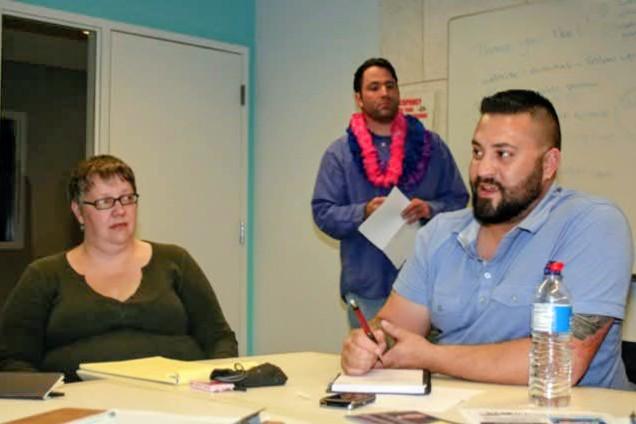
We made a plan: as liaison, I would secure a meeting room at Center on Halsted, while he would invite local media, including Gay Chicago Magazine and Windy City Times, to cover our inaugural gathering. We both invited members of the community.
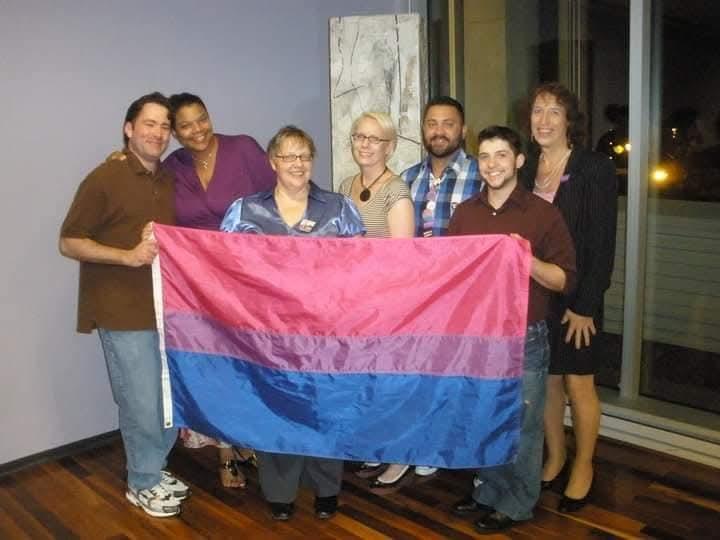
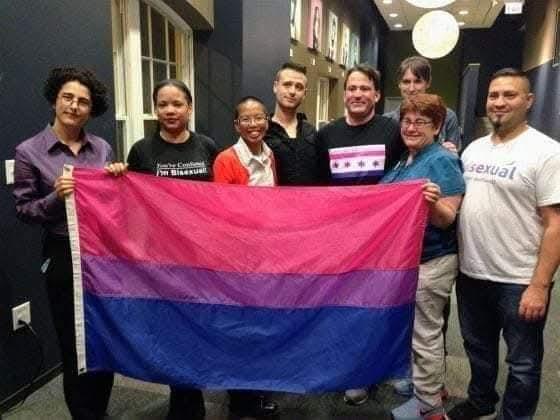
On Oct. 16, 2010, we co-founded our grassroots organization, Bisexual Queer Alliance Chicago, at a well-attended first meeting.
The decade that followed for the alliance was as magical as that first gathering, especially after learning that Negron and I shared a birthday five years apart.
To celebrate our 10-year anniversary, Bisexual Queer Alliance Chicago President and videographer Auggie Rodriguez created a organizational documentary. In the film, Negron, myself, and many others shared reflections on our journey.
Sadly, Negron passed away the following year on July 23, 2021, at age 50.
Along with countless others, my world crumbled. I experienced heartbreak for the first time. I felt lost and unsure of how to move forward without my co-founder.
I spent a long time lost in grief, trying to make up for what felt like lost time. What has brought me comfort over these past five years are those three words.
Ed said yes.
“Ed said yes.”
Those are my three favorite words. They are poetry that peacefully haunts me, reminding me of a time when the world meant something to me. Something bigger than myself.
It all began for me when I carried or wore the bisexual and transgender flags around the time they were created in the late 1990s by Michael Page and veteran Monica Helms, respectively. As an intersectional radical queer feminist, I learned from those who came before me. Helms and Page, in particular, taught me that visibility matters.
Throughout my journey, I received nominations and accolades for my advocacy. Yet my greatest success had nothing to do with me, and it had not happened yet.
In 2008, I began volunteering at the Chicago Northside LGBTQ center, Center on Halsted. I noticed there was no bisexual community presence there. I was not surprised. Biphobia and transphobia have been reality for far too long.
In 2009, I spoke with Center on Halsted’s first transgender liaison, the late June LaTrobe. She brought up my life's work and noted how qualified I was to become the center's first bisexual liaison. I agreed to take on the role, and we worked together as I began organizing bisexual film screenings and discussion groups.
As liaison, I heard about the LGBTI Health Summit taking place in August 2009. I attended the summit dressed in the colors of the bisexual flag, fully prepared to confront what I assumed would be more bisexual erasure. I was humbled to be proven wrong. The event included a dedicated Bisexual Health Summit.
As I nervously approached the gathering, I was met by the summit’s bisexual liaison, the late Ed Negron, a veteran, photojournalist, Chicago LGBTQ Hall of Fame inductee, and local organizer. I introduced myself as the Center on Halsted bisexual liaison and asked if I could help.
Ed said yes.
Sitting at the Bisexual Resource Center table helping sell merchandise, I watched how Negron selflessly and effortlessly moved through the summit with deep passion for his community. Later that evening, he checked in on me with kind words, letting me know he recognized that I understood the importance of our presence, and that he did not need to worry about me.
The next day, I went to the Gerber/Hart Library and Archives to read about the deep history of bisexual advocacy in Chicago, stretching back to Chicago Bi-Ways in the 1970s, as well as Action Bi Women and the Bisexual Political Action Coalition in the 1980s. I knew I had to take action. My vision was to help carry forward bisexual visibility, community, and history.
In early 2010, I reflected on the impact of the Bisexual Health Summit and how meaningful it had been because of Negron. I asked if he would help me with an idea.
Ed said yes.
We made a plan: as liaison, I would secure a meeting room at Center on Halsted, while he would invite local media, including Gay Chicago Magazine and Windy City Times, to cover our inaugural gathering. We both invited members of the community.
On Oct. 16, 2010, we co-founded our grassroots organization, Bisexual Queer Alliance Chicago, at a well-attended first meeting.
The decade that followed for the alliance was as magical as that first gathering, especially after learning that Negron and I shared a birthday five years apart.
To celebrate our 10-year anniversary, Bisexual Queer Alliance Chicago President and videographer Auggie Rodriguez created a organizational documentary. In the film, Negron, myself, and many others shared reflections on our journey.
Sadly, Negron passed away the following year on July 23, 2021, at age 50.
Along with countless others, my world crumbled. I experienced heartbreak for the first time. I felt lost and unsure of how to move forward without my co-founder.
I spent a long time lost in grief, trying to make up for what felt like lost time. What has brought me comfort over these past five years are those three words.
Ed said yes.