CHICAGO, ILL. -
By Michael Oboza, Special to GoPride.com
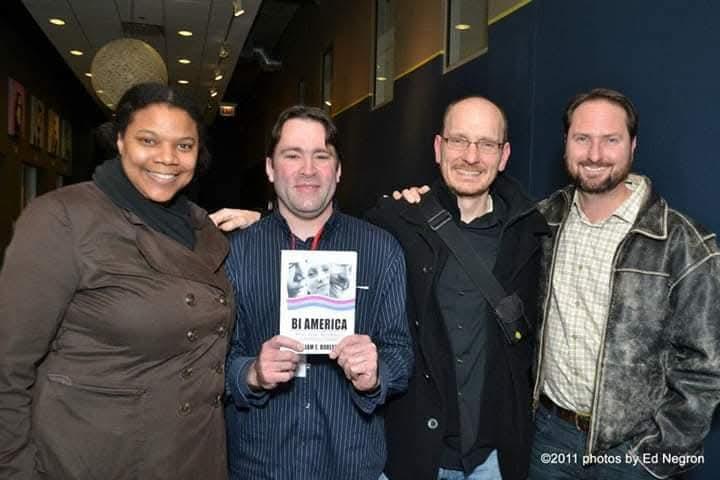
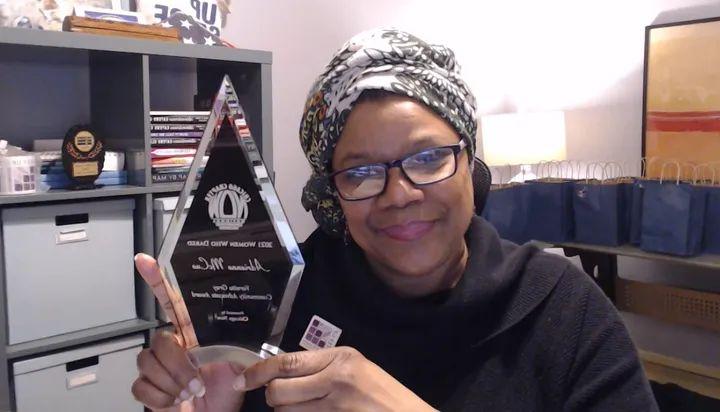
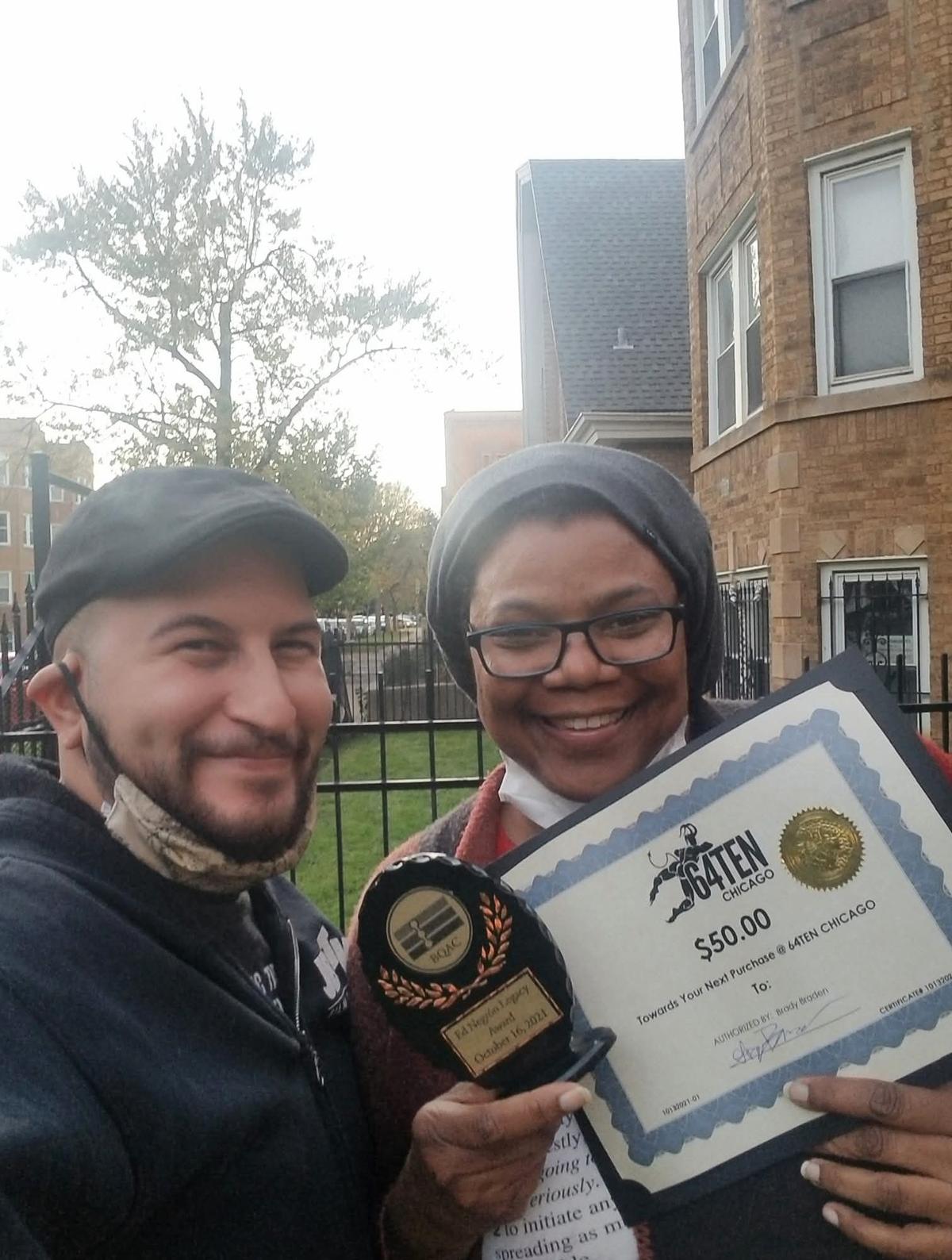
During my final year as a volunteer photojournalist, I made it my intentional mission to recognize everyday legends across our LGBTQ community. I am grateful to help acknowledge an award-winning advocate, including honors such as the Chicago NOW Vernita Gray Community Advocate Award, the Bisexual Queer Alliance Chicago inaugural Ed Negron Legacy Award, and GLAAD National Media Institute for People of Color honoree, among many other prestigious recognitions.
Thank you, Adrienne McCue, for your time and for sharing your intersectional legacy.
Journals and blogs are their own written history.
Reflecting on her path, Adrienne McCue shared, "Before coming out, I didn't fully understand what being bi+ meant. As a teen growing up on the South Side of Chicago, I had crushes on movie stars and the boy next door, while also having real-life closeness with a friend without knowing how to label those feelings."
She noted that as a Black woman caring for a mother with a serious mental health disorder, her early life was defined by survival, poverty, and navigating deep social stigmas where the main focus was often where her family's next meal was coming from. In that environment, discussions about sexual orientation and bisexuality were non-existent or framed through judgment.
For a long time, she lived within society's mononormative expectations until college broadened her perspective. This allowed her to meet people from the community, date individuals from various backgrounds, and finally claim the identity of bisexual at 26 years old.
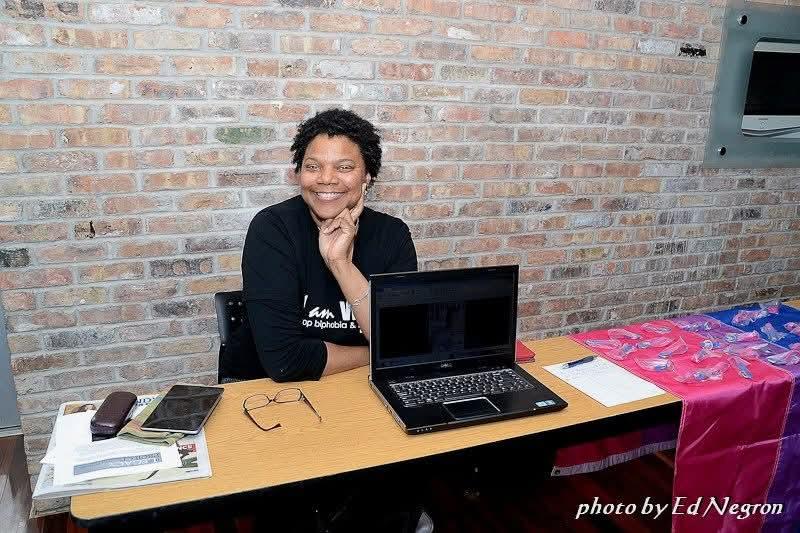
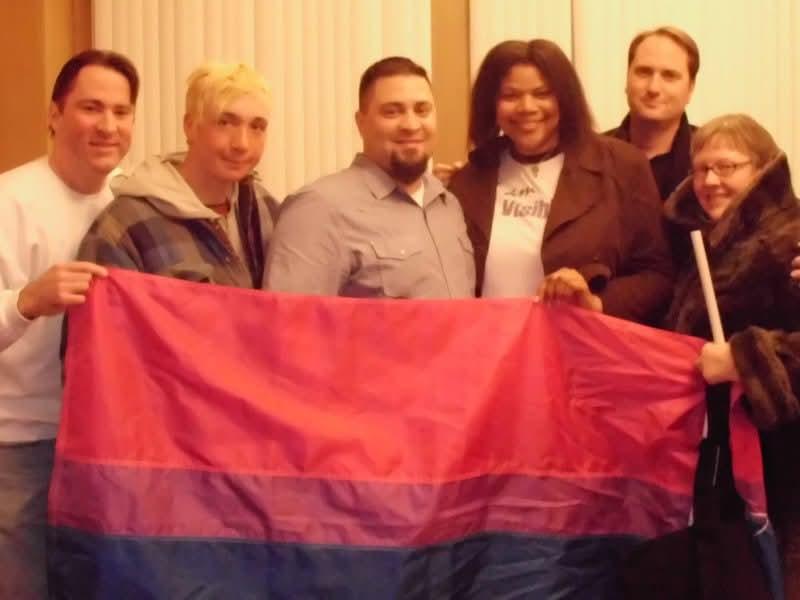
While her friends knew she was part of the community, she did not fully come out to the world until 2008, when a blog she started grew into the Bi Social Network, expanding to include 18 writers, media access, and 30,000 monthly readers.
Explaining the emotional toll of that era, she recalled, "When you don't see bisexual identity reflected around you—neither in mainstream heterosexual culture nor fully embraced in early LGBTQ spaces—you tend to compartmentalize your feelings. I often felt like I had to choose a side or hide my attraction across genders. The erasure was both external and internal. Living unaligned with your full truth creates a subtle emotional fatigue, as if you are standing at an intersection where there isn't enough room for all of who you are."
Coming out is part of something bigger than oneself, bringing clarity, purpose, and a fierce drive to ensure others wouldn't have to experience that same isolation.
As she described it, "Coming out brought clarity, purpose, and a fierce drive to ensure others wouldn't have to experience the same isolation I did. Claiming my bisexual identity wasn't just a personal milestone; it became the catalyst for my life's work."
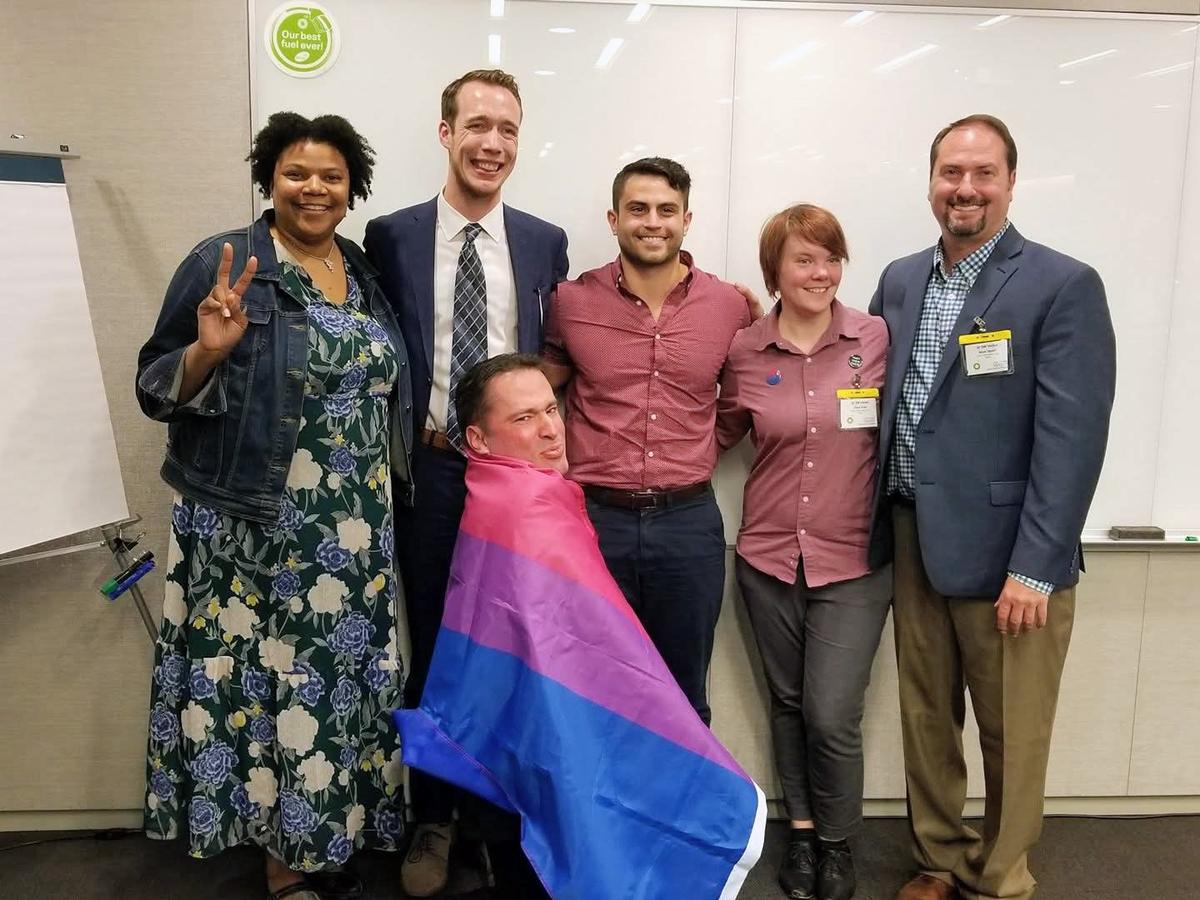
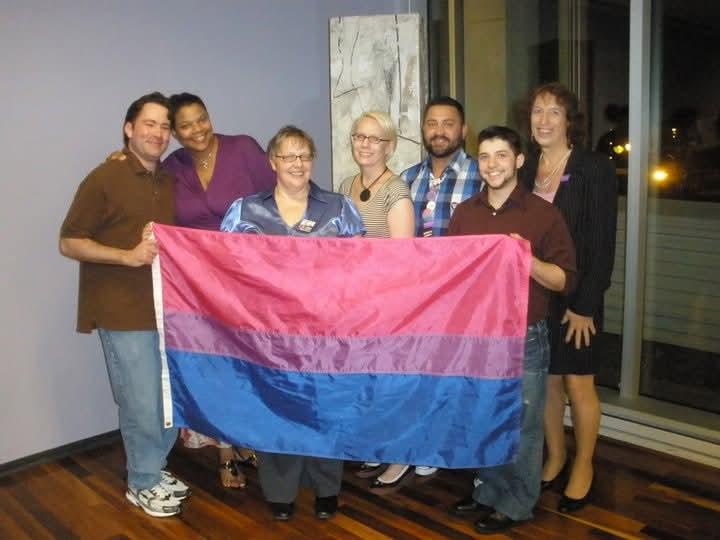
In 2009, she founded the Bi Social Network to directly combat biphobia, bi-erasure, and persistent myths in pop culture, media, and social spaces.
By November 2010, she launched the "I Am Visible" campaign out of frustration with how bisexual people were routinely erased from political conversations like marriage equality and military service or reduced to stereotypes.
The initiative provided a platform for everyday people, allies, public figures, and accessible communities—including dedicated outreach for the deaf community—to share their authentic stories and assert their place in human rights conversations.
Because community members frequently reached out dealing with isolation and wanting one-on-one or peer support, she explained, "This is the reason Step Up For Mental Health was born."
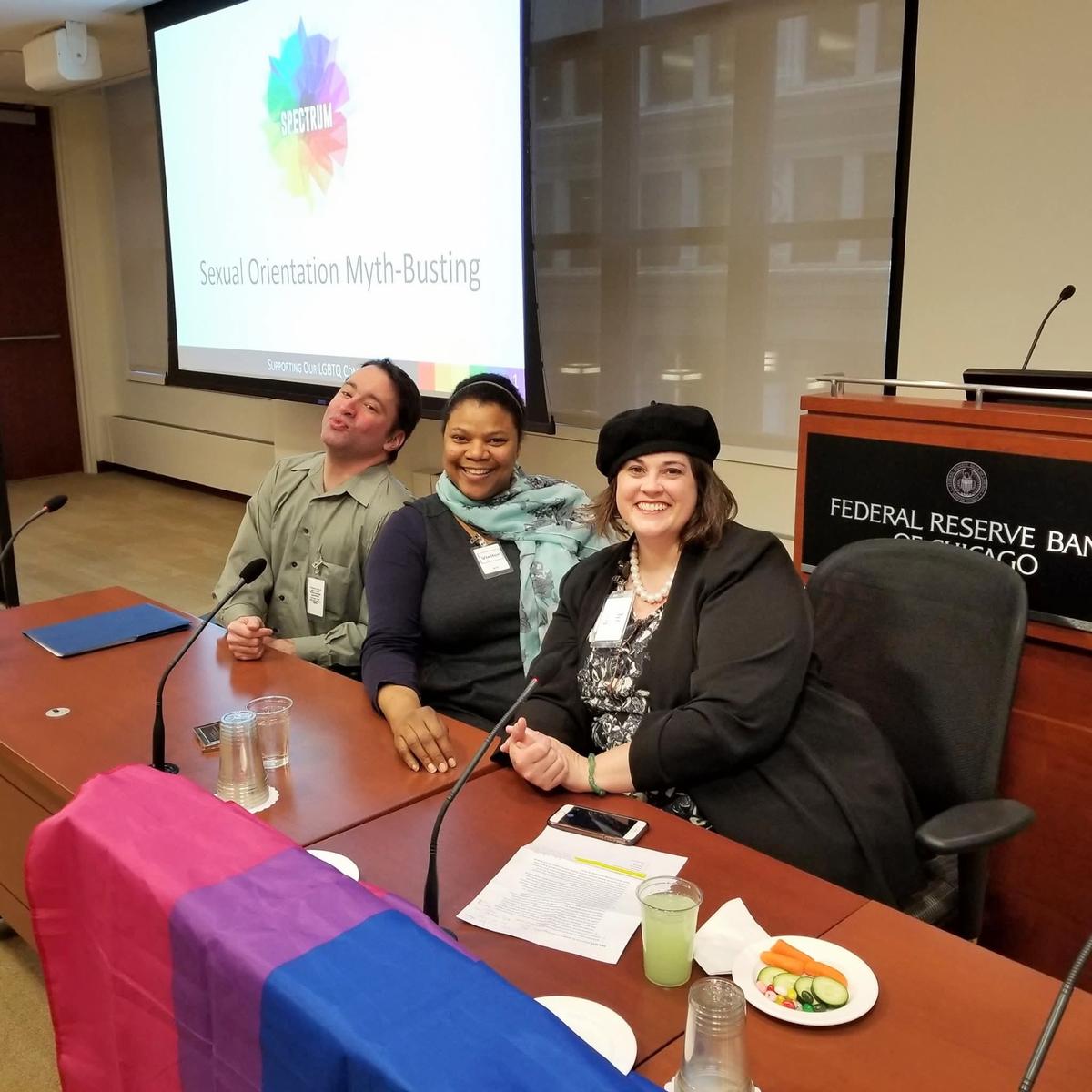
That visibility eventually led to one of the most defining moments of her advocacy journey with an invitation to the White House in June 2011 for President Obama's Pride Month Reception as a bisexual leader and founder of the Bi Social Network.
Recalling that milestone, she noted, "Walking into the White House as an out Black bisexual woman was deeply emotional. It validated years of grassroots work and proved that our community’s voices—too often pushed to the margins—were reaching the highest levels of government."
Over time, her work made it painfully clear that identity, discrimination, poverty, and mental wellness are inextricably connected, leading her to found Step Up For Mental Health in 2016 to provide peer support, mentorship, education, and direct assistance to under-resourced families, youth, and marginalized communities dealing with mental health challenges and systemic barriers.
Lived experience wisdom is knowledge for future generations, inspiring core guiding principles for change.
Urging others to remember their worth, she advised, "Refuse to be boxed in: You do not need to edit out parts of your identity—your race, gender, sexuality, class, or mental health journey—to fit into anyone’s movement or box. Your power lies in your full intersectionality."
She also encouraged readers to "Build the table if there isn't a seat for you: If you look around and don't see a space, a campaign, or a support network that reflects your lived experience, create it. You are fully equipped to be the architect of your own community."
Emphasizing personal wellness, she reminded everyone to "Prioritize mental health as a tool for liberation: Activism without self-care and peer support leads to burnout. Guard your peace, lean on peer mentorship, and remember that taking care of your mental well-being is an act of resistance."
Finally, she called on the community to practice radical solidarity, urging, "Uplift those who are most marginalized within our LGBTQIA+ family—especially Black, Brown, Indigenous, transgender, disabled, and low-income community members. None of us are truly liberated until all of us are visible and supported. Also, vote in November to make change for society! Your voice matters!"
Finding Truth, Building Tables: A conversation with advocate Adrienne McCue
Wed. September 30, 2026 4:16 PM by GoPride.com News Staff
photo credit // ed negron