
Chicago's Legacy Walk to honor Lori Cannon and Casimir Pulaski with bronze memorials
Mon. September 14, 2026 7:14 PM by Gerald Farinas


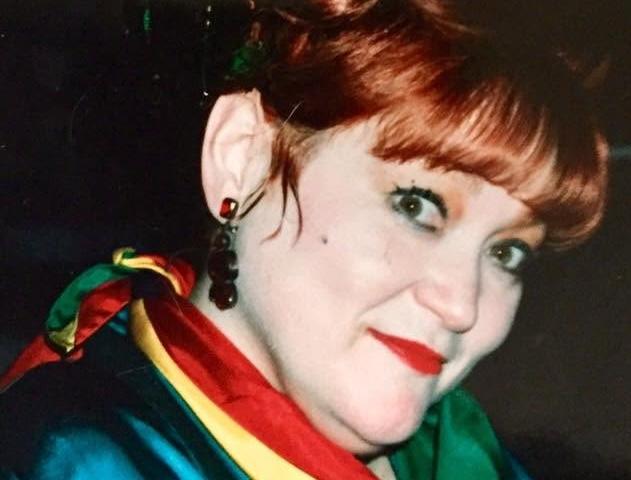
photo credit // lori cannon
Free Oct. 10 induction ceremony at Center on Halsted celebrates two figures who reshaped history
CHICAGO, ILL. -
The Legacy Project will expand its world-renowned outdoor LGBTQ history museum this fall with the dedication of two new bronze memorial plaques honoring local Chicago activist Lori Cannon and Revolutionary War cavalry commander Gen. Casimir Pulaski.
The public celebration, titled "Legacy Walk Dedication 14," is scheduled for Saturday, Oct. 10, 2026, at the Center on Halsted’s Hoover-Leppen Theatre and Harris Hall, located at 3656 N. Halsted St. in what is populary known as the Boystown neighborhood.
The event will kick off with an indoor multimedia program from noon to 2 p.m., followed by a street-level unveiling ceremony along North Halsted Street from 2 p.m. to 3 p.m. A celebratory reception with light refreshments will conclude the afternoon from 3 p.m. to 5 p.m. Admission is free, though advance registration is requested.
Established in 2012, the Legacy Walk spans a half-mile stretch of North Halsted Street between Belmont Avenue and Grace Street. Affixed to the corridor's iconic rainbow pylons, the bronze memorials celebrate significant historical figures whose sexual orientation or gender identity were often minimized, erased, or overlooked by mainstream history.
Lori Cannon
Lori Cannon was a trailblazing community organizer, fierce caregiver, and co-founder of the Legacy Project itself.
Cannon’s activism took root during the darkest days of the HIV and AIDS epidemic in the 1980s. Faced with pervasive stigma, governmental neglect, and systemic abandonment of sick gay men, Cannon dedicated her life to direct relief and political action. In 1988, she co-founded Open Hand Chicago (now Vital Bridges, a program of Heartland Alliance), an organization modeled after Meals on Wheels that delivered hot, nourishing meals to homebound individuals living with HIV and AIDS.
Through ACT UP Chicago, Cannon became a visible, uncompromising force on picket lines, demanding accelerated research, affordable medication, and basic dignity for those affected by the virus. Later, she opened the Groceryland food pantry in Lakeview, ensuring clients had sustained access to fresh food, personal care items, and compassion without judgment. Over four decades of grassroots labor, Cannon earned the enduring moniker "Chicago’s AIDS Angel" for her relentless presence at hospital bedsides, protests, and memorial services.
Cannon died in September 2025 at age 74 following complications from pancreatic cancer. Her induction into the Legacy Walk permanently anchors her memory in the neighborhood she spent decades defending and nurturing.
Casimir Pulaski
Gen. Casimir Pulaski, long revered as the "Father of the American Cavalry," holds a distinguished place in United States military history and particularly in Illinois, where Casimir Pulaski Day is celebrated as an official state holiday.
Born into the Polish nobility in Warsaw in 1745, Pulaski earned early military renown fighting against Russian domination in the Confederation of Bar. Exiled from Poland, Pulaski met Benjamin Franklin in Paris in 1777 and was recruited to aid the Continental Army in the American Revolutionary War.
Arriving in North America, Pulaski quickly distinguished himself through tactical brilliance and exceptional bravery. At the Battle of Brandywine in September 1777, his swift cavalry reconnaissance and charge helped shield George Washington’s forces from encirclement and allowed a safe retreat. Impressed, Washington elevated him to brigadier general and commander of the cavalry. In 1778, Pulaski organized the Pulaski Cavalry Legion, a mixed unit of cavalry and light infantry that played a pivotal role in southern campaigns. During the Siege of Savannah in October 1779, Pulaski was mortally wounded while leading a charge and died days later at age 34.
Pulaski’s inclusion on the Legacy Walk follows groundbreaking scientific and historical research into the general’s remains. When Pulaski’s monument in Savannah was dismantled in the late 1990s, anthropologists discovered skeletal features that strongly indicated biological female characteristics. In 2019, an interdisciplinary team led by Georgia Southern University researchers confirmed through mitochondrial DNA testing that the remains belonged to Pulaski and that the military leader was intersex, possessing biological sex traits that did not align with typical male definitions.
By commemorating both Cannon and Pulaski, the Legacy Walk connects Chicago’s modern grassroots struggles for care and survival to the foundational chapters of the nation’s independence.
RSVP for the free event is requested.
The public celebration, titled "Legacy Walk Dedication 14," is scheduled for Saturday, Oct. 10, 2026, at the Center on Halsted’s Hoover-Leppen Theatre and Harris Hall, located at 3656 N. Halsted St. in what is populary known as the Boystown neighborhood.
The event will kick off with an indoor multimedia program from noon to 2 p.m., followed by a street-level unveiling ceremony along North Halsted Street from 2 p.m. to 3 p.m. A celebratory reception with light refreshments will conclude the afternoon from 3 p.m. to 5 p.m. Admission is free, though advance registration is requested.
Established in 2012, the Legacy Walk spans a half-mile stretch of North Halsted Street between Belmont Avenue and Grace Street. Affixed to the corridor's iconic rainbow pylons, the bronze memorials celebrate significant historical figures whose sexual orientation or gender identity were often minimized, erased, or overlooked by mainstream history.
Lori Cannon
Lori Cannon was a trailblazing community organizer, fierce caregiver, and co-founder of the Legacy Project itself.
Cannon’s activism took root during the darkest days of the HIV and AIDS epidemic in the 1980s. Faced with pervasive stigma, governmental neglect, and systemic abandonment of sick gay men, Cannon dedicated her life to direct relief and political action. In 1988, she co-founded Open Hand Chicago (now Vital Bridges, a program of Heartland Alliance), an organization modeled after Meals on Wheels that delivered hot, nourishing meals to homebound individuals living with HIV and AIDS.
Through ACT UP Chicago, Cannon became a visible, uncompromising force on picket lines, demanding accelerated research, affordable medication, and basic dignity for those affected by the virus. Later, she opened the Groceryland food pantry in Lakeview, ensuring clients had sustained access to fresh food, personal care items, and compassion without judgment. Over four decades of grassroots labor, Cannon earned the enduring moniker "Chicago’s AIDS Angel" for her relentless presence at hospital bedsides, protests, and memorial services.
Cannon died in September 2025 at age 74 following complications from pancreatic cancer. Her induction into the Legacy Walk permanently anchors her memory in the neighborhood she spent decades defending and nurturing.
Casimir Pulaski
Gen. Casimir Pulaski, long revered as the "Father of the American Cavalry," holds a distinguished place in United States military history and particularly in Illinois, where Casimir Pulaski Day is celebrated as an official state holiday.
Born into the Polish nobility in Warsaw in 1745, Pulaski earned early military renown fighting against Russian domination in the Confederation of Bar. Exiled from Poland, Pulaski met Benjamin Franklin in Paris in 1777 and was recruited to aid the Continental Army in the American Revolutionary War.
Arriving in North America, Pulaski quickly distinguished himself through tactical brilliance and exceptional bravery. At the Battle of Brandywine in September 1777, his swift cavalry reconnaissance and charge helped shield George Washington’s forces from encirclement and allowed a safe retreat. Impressed, Washington elevated him to brigadier general and commander of the cavalry. In 1778, Pulaski organized the Pulaski Cavalry Legion, a mixed unit of cavalry and light infantry that played a pivotal role in southern campaigns. During the Siege of Savannah in October 1779, Pulaski was mortally wounded while leading a charge and died days later at age 34.
Pulaski’s inclusion on the Legacy Walk follows groundbreaking scientific and historical research into the general’s remains. When Pulaski’s monument in Savannah was dismantled in the late 1990s, anthropologists discovered skeletal features that strongly indicated biological female characteristics. In 2019, an interdisciplinary team led by Georgia Southern University researchers confirmed through mitochondrial DNA testing that the remains belonged to Pulaski and that the military leader was intersex, possessing biological sex traits that did not align with typical male definitions.
By commemorating both Cannon and Pulaski, the Legacy Walk connects Chicago’s modern grassroots struggles for care and survival to the foundational chapters of the nation’s independence.
RSVP for the free event is requested.