CHICAGO, ILL. -
By Michael Oboza, Special to GoPride.com
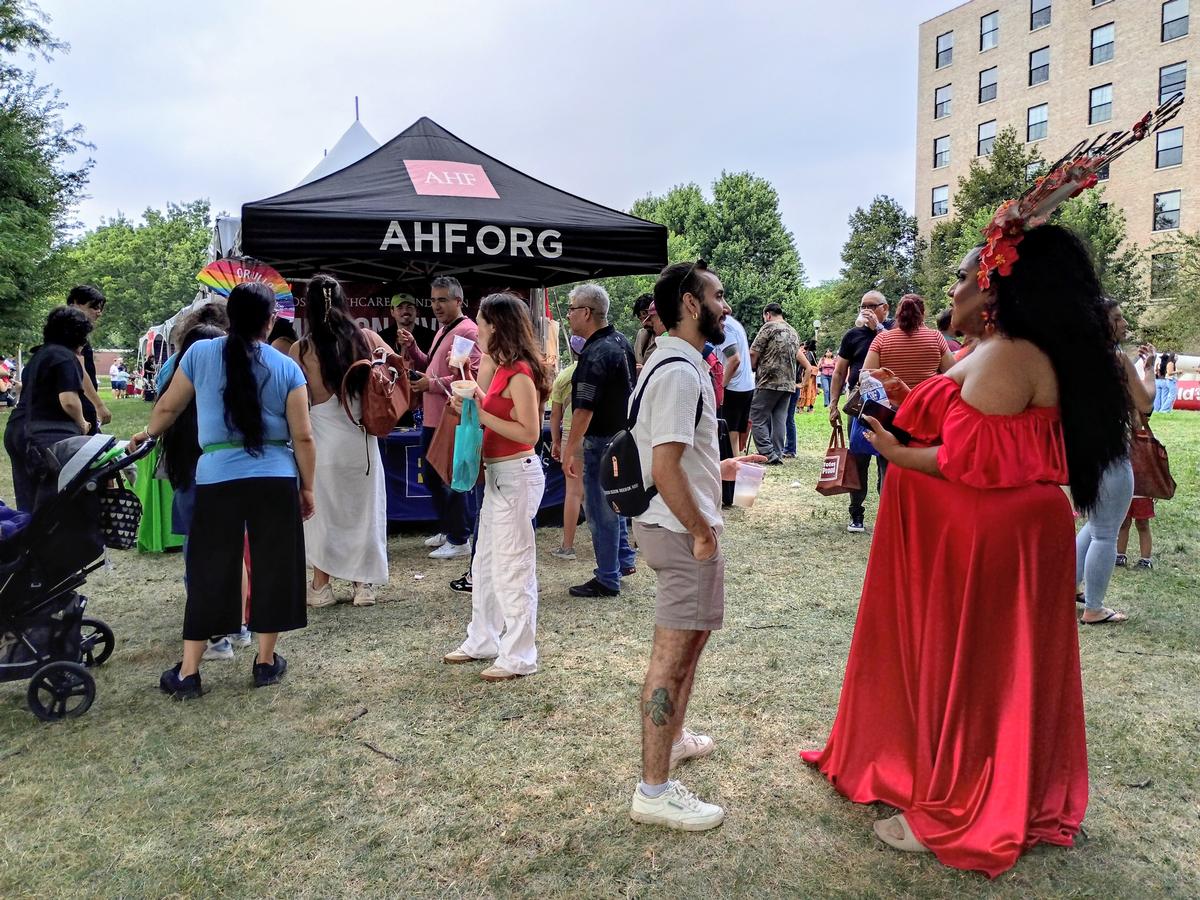
Chicago's Pilsen neighborhood transformed this summer as the 54th annual Fiesta del Sol took place from Thursday, July 23 through Sunday, July 26, 2026. Presented by the Pilsen Neighbors Community Council, the four-day festival along Cermak Road stood as the largest free Latino festival in the Midwest, drawing over 1 million visitors for live music, food, arts, and community resources.
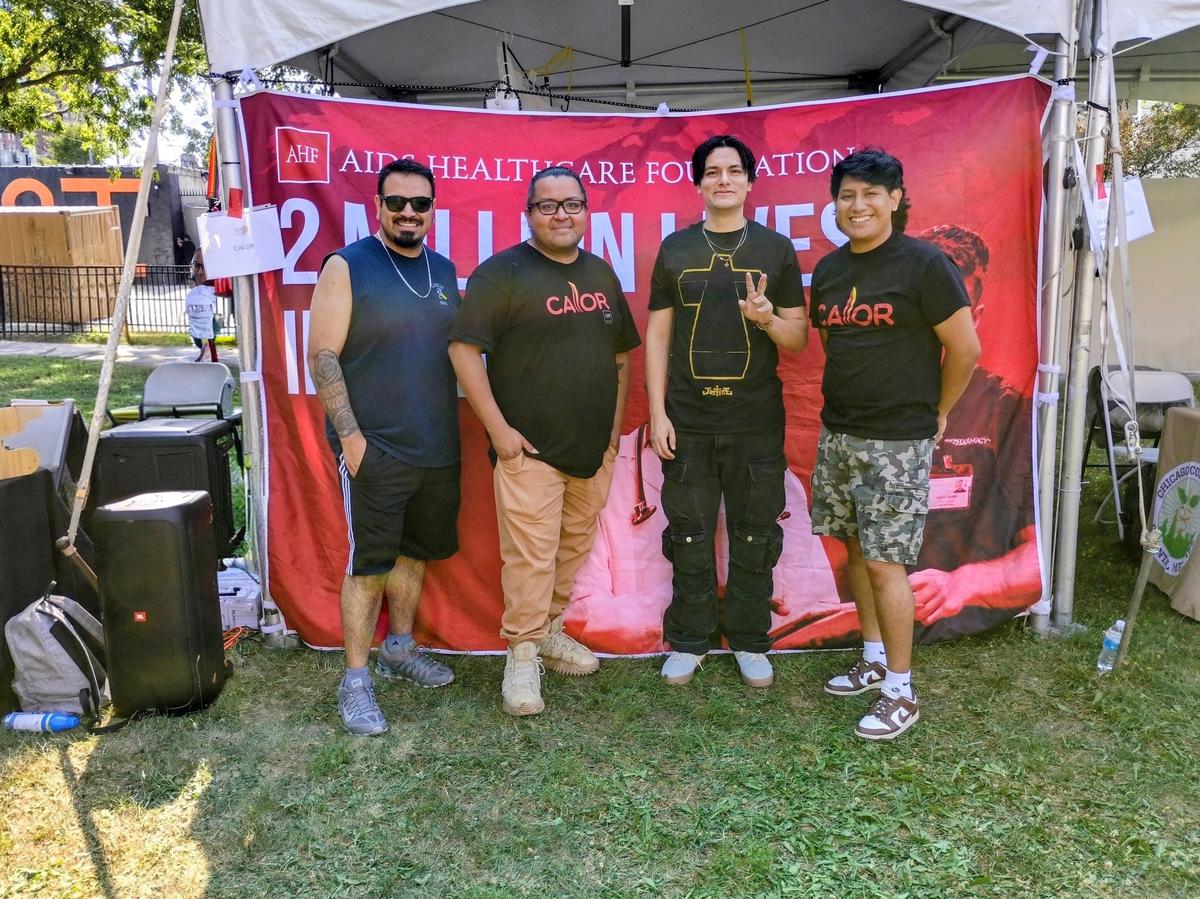
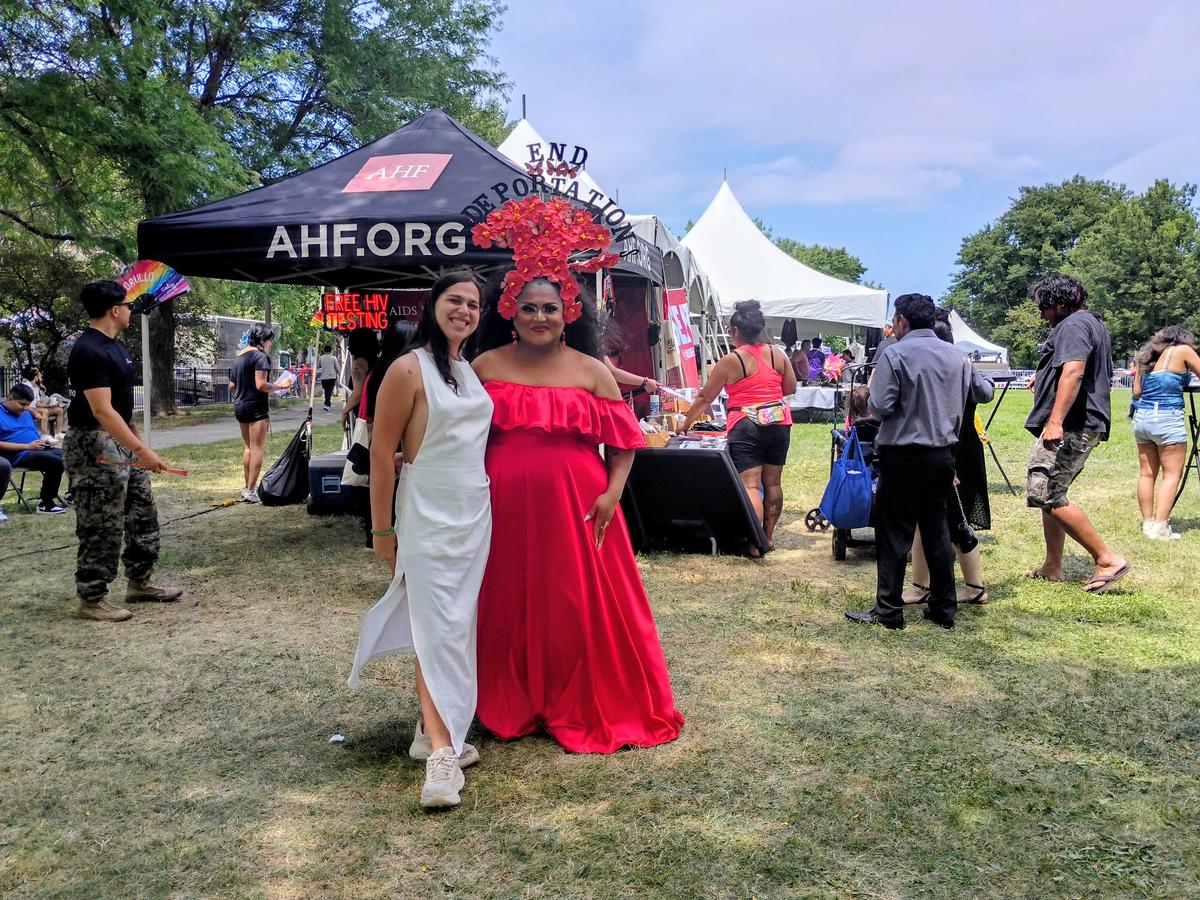
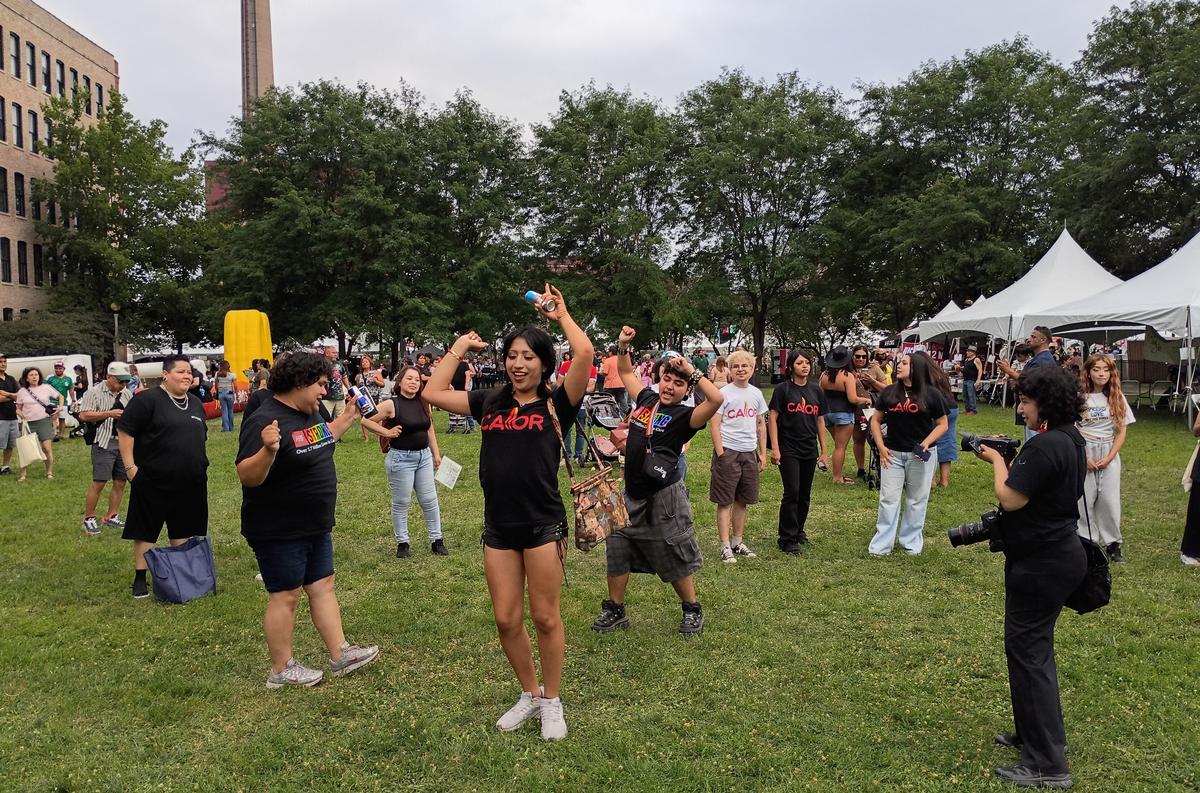
This year marked a historic milestone for the festival as Comprensión y Apoyo a Latinos en Oposición al Retrovirus (CALOR) served as a first-time official sponsor of a Fiesta del Sol plaza.
Recognized for his advocacy work to advance LGBTQ community health, well-being, safety, and vitality, Alfredo Flores (he/him), Associate Director of Operations at CALOR Chicago, received the Chicago Mayor Brandon Johnson Office Chicago Proud Award in 2026.
Flores shared what becoming an official sponsor at the festival meant to him: "Queering up Fiesta del Sol, because we exist in Latin culture."
The milestone collaboration also brought together prominent advocacy organizations. Mila Hellfyre (she/her), Senior Manager of Strategic Outreach at the Human Rights Campaign Foundation, reflected on the partnership.
"My Latina-ness is everything. I am Latina first and trans woman later," Hellfyre said. "We got to be where our Latino culture and our LGBTQ community is, especially now in a political climate that demonizes both sides. We have to show this country we are proud of our culture and our lives."
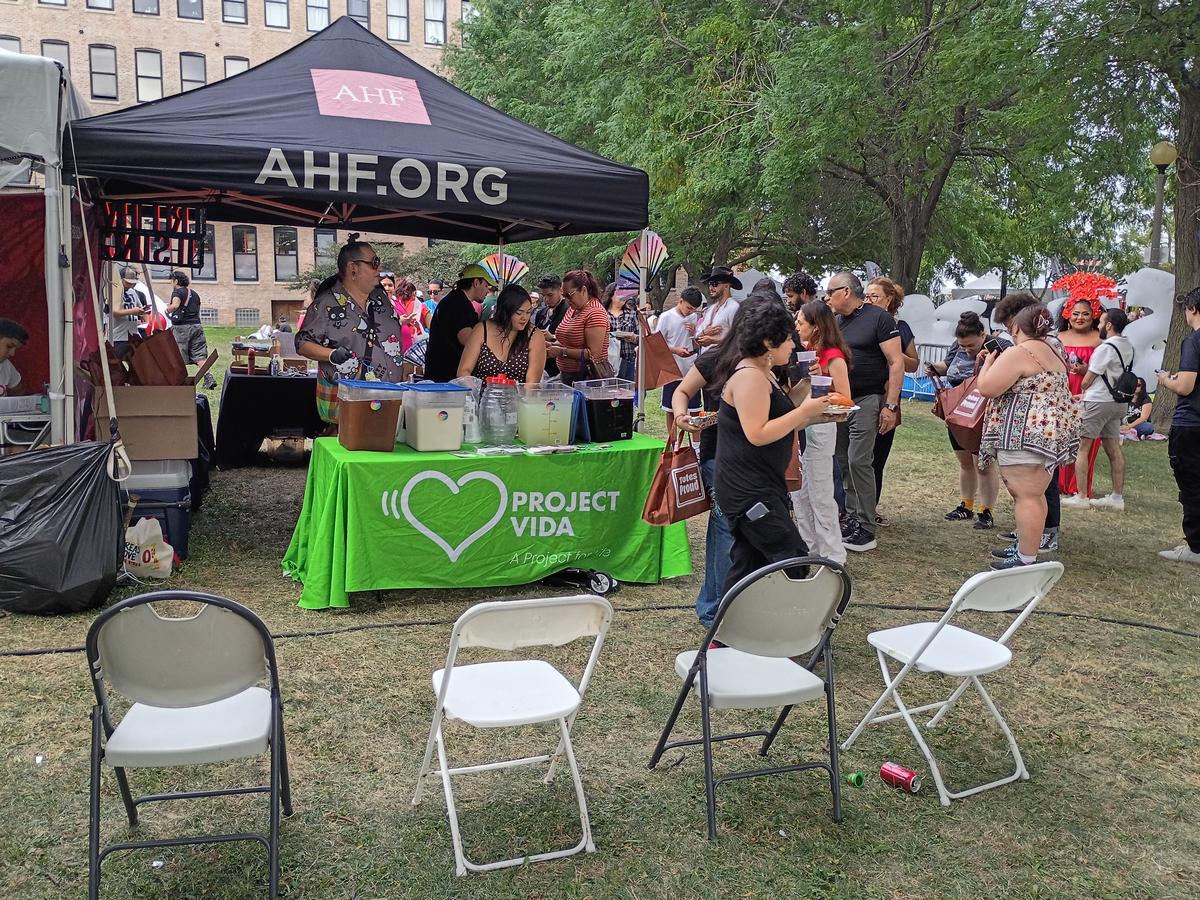
CALOR Chicago also collaborated with Project VIDA, an organization founded in 1992 to address the human rights and health needs of racial and ethnic minorities.
Outreach Specialist Lipi Ocampo (they/them) and Director of Prevention at Project VIDA Vanessa Melgoza (she/her) shared the importance of joining forces, "To join our efforts and unite together as a community to help empower and educate our community."
For frontline advocates, the presence at Fiesta del Sol was vital to public health. Milani Varela (she/her), Lead Navigator at CALOR Chicago, emphasized the urgency of their presence.
"As the HIV numbers keep going up in our Latine community, it is crucial to be in spaces where we can provide resources to our own community," Varela said. "We have to ensure we continue the fight not just to end the HIV epidemic, but to end the stigma as well."
Juan Martinez (he/him), Program Manager of Education and Prevention Services, highlighted the goal of creating inclusive, safe environments within major cultural events.
"We are here to provide resources to our Latine community that has always been impacted or forgotten about during this time," Martinez said. "We want to share the space for folks to be able to feel free and be themselves."
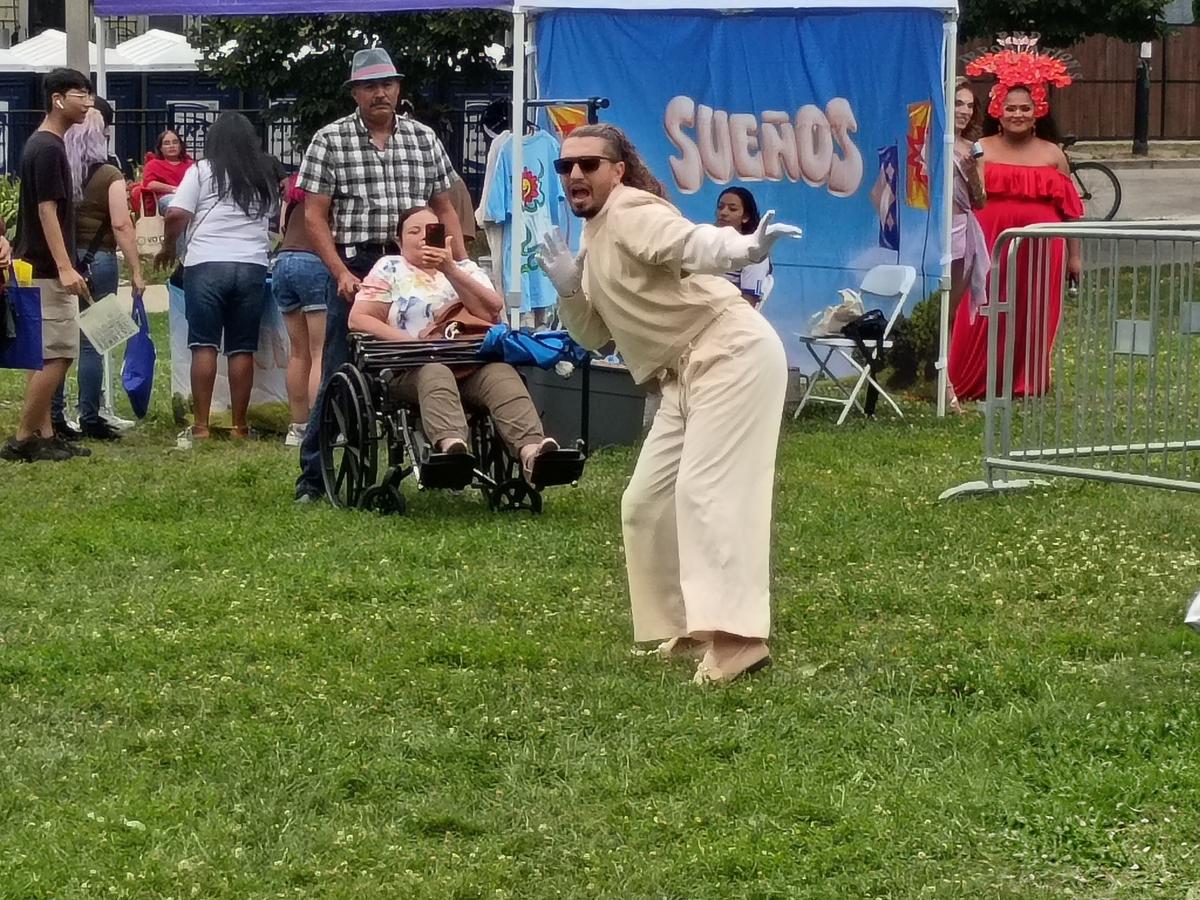
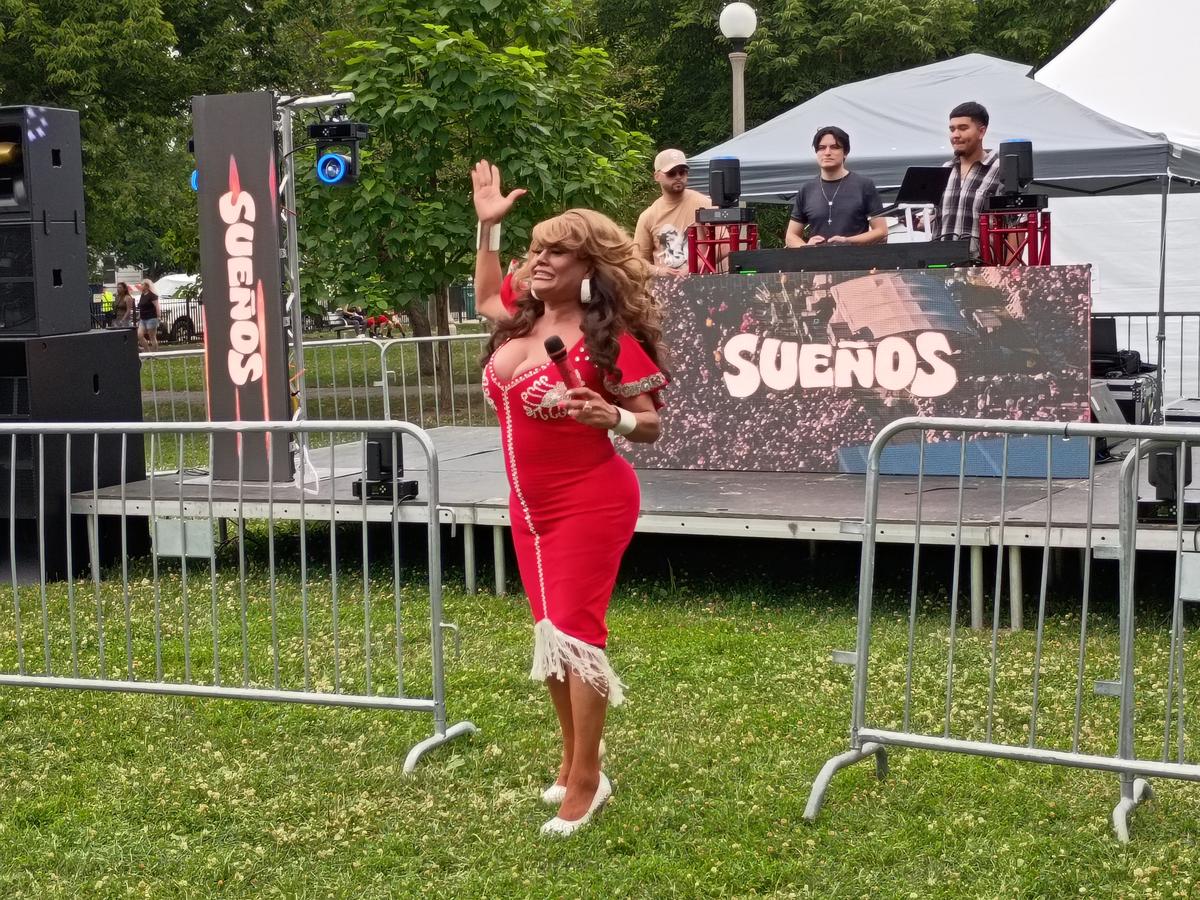
The festival's cultural reach extended internationally as well. From Aguascalientes, Mexico, DJ St Cool (he/him) expressed his excitement about making his North American debut at the event.
"Estoy muy emocionado, porque es la primera vez que actúo como DJ en Chicago o en Estados Unidos en general," DJ St Cool said. "Si no también porque vengo representando mi ciudad y mi país. Tengo 13 años de experiencia como DJ y pues quiero traer a Chicago un poco de cómo se baila en La Feria de San Marcos, la fiesta más grande de mi país y de mi ciudad."
("I am very excited, not only because this is the first time I'm performing as a DJ in Chicago or in the United States in general, but also because I am coming to represent my city and my country," he said. "I have 13 years of experience as a DJ, and I want to bring a little bit of how we dance at La Feria de San Marcos, the biggest festival in my country and my city, to Chicago.")
This bold presence at Fiesta del Sol honored CALOR Chicago's long history. The organization was founded in 1990 by Latino activists and community advocates, notably Rosa Martínez Colón, in response to the critical lack of resources and HIV/AIDS services in underfunded Latino communities.
Created during the height of the HIV/AIDS epidemic, the grassroots organization was established to provide culturally and linguistically affirming support, case management, housing, and prevention services that were previously unavailable to Spanish-speaking populations, newly diagnosed individuals, and their families on the West Side of Chicago.
CALOR brings LGBTQ visibility to Fiesta del Sol
Sun. July 26, 2026 12:28 PM by GoPride.com News Staff
photo credit // michael oboza