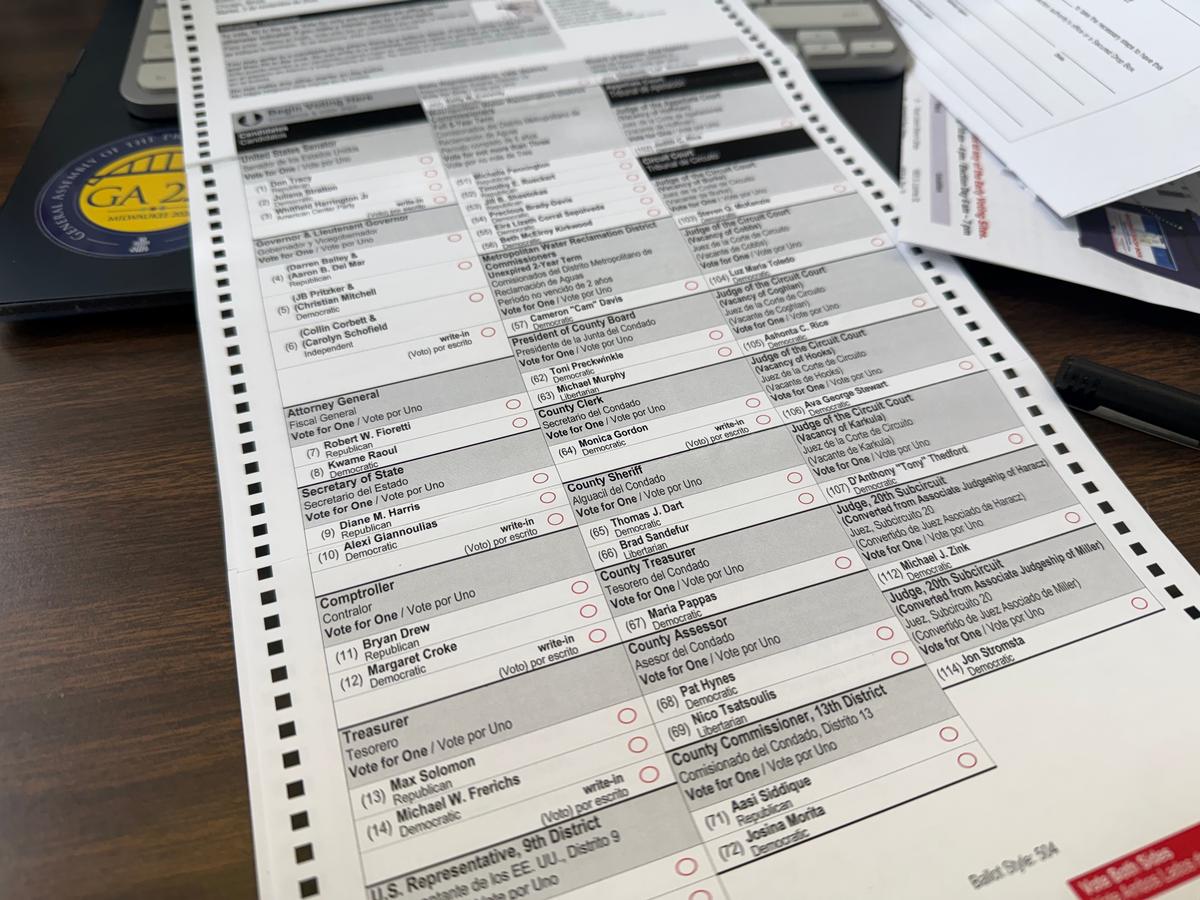
CHICAGO, ILL. -
The November 3, 2026, midterm elections delivered landmark representation milestones for LGBTQ candidates on Capitol Hill and in statehouses nationwide, as voters elected the first openly gay man to the U.S. Senate and flipped a deeply conservative congressional district in Indiana. Alongside historic wins by LGBTQ candidates and vocal allies across both chambers of Congress, voters in several states weighed high-profile ballot measures concerning gender-affirming medical care and school athletics.
Chris Pappas makes history in the U.S. Senate
In one of the marquee contests of the night, Democratic Rep. Chris Pappas defeated Republican former U.S. Sen. John E. Sununu in New Hampshire's open Senate race, becoming the first openly gay man elected to the U.S. Senate. Pappas, 46, who has represented New Hampshire in the U.S. House for eight years following service as a state lawmaker, county treasurer, and state executive councilor, held the seat for Democrats following the retirement of longtime Sen. Jeanne Shaheen.
Addressing campaign staffers, volunteers, and supporters at his election night victory party alongside his husband, Vann Bentley, Pappas celebrated overcoming months of intense outside spending and opposition.
"Tonight, voters in New Hampshire, and all across the country, simply have had enough and are demanding a change in direction. I am ready to fight with everything I've got to deliver the change that we need," Pappas said. He added in his victory remarks, "They threw money, attack ads, and outright lies at us every day for months. But we beat them anyway, didn't we?"
Throughout his tenure in Congress and on the campaign trail, Pappas has emphasized civil rights protections alongside economic issues. "No one should be discriminated against because of who they are or who they love," Pappas stated on his platform, adding, "I am committed to fighting for the dignity and equality of all Americans."
J.D. Ford flips conservative Indiana House seat in major upset
In the Midwest, Democratic nominee J.D. Ford, who previously made history as the first openly gay member of the Indiana General Assembly, pulled off one of the biggest congressional upsets of the 2026 midterms Ford defeated three-term Republican incumbent Rep. Victoria Spartz to flip Indiana's 5th Congressional District, a seat that Republican Donald Trump carried by nearly 17 percentage points two years earlier.
Ford's victory contributed to a broader national wave that saw Democrats win control of both the U.S. House of Representatives and the U.S. Senate. Meanwhile, incumbent and newly elected LGBTQ leaders prevailed in major contests across the country: in Oregon, Democratic Gov. Tina Kotek won re-election over Republican Christine Drazan; in Delaware, Democratic Rep. Sarah McBride won re-election in the state's at-large congressional district over Republican Joseph Arminio; in Kansas, Democratic Rep. Sharice Davids defeated Republican Eric Jenkins to win re-election in the 3rd Congressional District; and in Michigan's 11th Congressional District, Democrat Jeremy Moss defeated Republican Ethan Baker.
Allies and state-level trailblazers prevail amid culture-war attacks
Across key battleground states, candidates who pushed back against social-issue attacks also secured major victories.
In Michigan, Democrat Abdul El-Sayed defeated Republican former U.S. Rep. Mike Rogers to win the state's hotly contested U.S. Senate seat, becoming the first Muslim elected to the chamber. In New Hampshire, voter sentiment against social conservatism also factored into the midterm turnout.
Mike Bradley, a 77-year-old licensed mental health counselor from Bow, told PBS NewsHour, "I'm so disgusted with what Republicans in general are doing with Trump at the helm, and pretty much no one's standing up to him. The corruption, the homophobia, the transphobia, the endless war. I'm hoping that Democrats can grab a majority and counteract all this negative stuff."
At the state legislative level, transgender candidates also broke barriers in the 2026 cycle.
In Michigan, Democrat Joanna Whaley secured her party's nomination in August to become the first openly transgender woman nominated for the Michigan state legislature, advancing to face Republican Ronald Kokinda in the general election.
"I understand in this moment in politics what it would mean to elect a trans woman could be monumental. I don't take that responsibility lightly at all. I take it very seriously," Whaley said, as reported byThe Guardian.
State ballot measures put transgender youth policies before voters
Beyond candidate contests, the 2026 midterms featured several high-stakes state ballot initiatives addressing gender-affirming medical care for minors and transgender students' participation in school sports.
Missouri Amendment 3: Voters in Missouri weighed Amendment 3, a legislatively referred constitutional amendment backed by Republican lawmakers combining abortion restrictions with transgender healthcare policies, according to The Associated Press.
School Sports Initiatives in Washington and Colorado: Activists bypassed Democratic-led state legislatures to place initiatives on the ballot in Washington (Initiative 638) and Colorado seeking to prohibit transgender girls from competing in girls' school sports.
Speaking ahead of the vote against the Colorado ballot effort, Nadine Bridges, executive director of the LGBTQ advocacy organization One Colorado, framed the campaign as a critical fight against discrimination.
"They will say that they want to protect kids and in particular, young girls, but I don't understand how you can protect kids and discriminate against kids at the same time," Bridges told PBS NewsHour.
Proponents of the restrictions argued the measures were necessary to preserve athletic fairness for female students. Ahnaleigh Wilson, a 17-year-old high school runner in Washington state who supported Initiative 638, told PBS NewsHour, "Women have fought for Title IX and our own categories and it's very important that we keep the dignity of that, and let women have their own sports and their own spaces to be safe and completely fair."
LGBTQ candidates break barriers on Capitol Hill and in statehouses in 2026 midterm elections
Wed. November 4, 2026 6:19 PM by Gerald Farinas
photo credit // gerald farinas