CHICAGO, ILL. -
Shifting legal boundaries and federal policy directives marked a consequential week for LGBTQ rights as June Pride Month celebrations drew to a close and July began.
Developments spanned federal healthcare revisions, international tourism disputes and high-profile disputes over athletic eligibility. Here is a breakdown of the key news events affecting the LGBTQ community over the past week.
Supreme Court allows state restrictions on transgender athletes
In a major legal development, the Supreme Court of the United States issued a 6-3 decision allowing states to enforce restrictions on transgender girls participating in female sports categories.
The ruling centered on two consolidated challenges, West Virginia v. B.P.J. and Little v. Hecox. Both cases involved transgender students who argued that state-level bans violated federal equal protection and Title IX guidelines. In a legal analysis published in the Journal of Social Science Kamphaeng Saen, researcher P. Youyuenyong noted that these judicial evaluations increasingly focus on the intersection of sports governance, self-regulation and definitions of fairness based on sex assigned at birth.
Civil rights groups, including The Trevor Project, strongly criticized the decision. Representatives warned that high-profile legal restrictions amplify public scrutiny and elevate mental health risks among transgender youth. Conversely, conservative organizations and state lawmakers praised the ruling as a necessary step to preserve fairness and athletic opportunities for cisgender female athletes.
White House shifts federal health policy and crisis resources
Coinciding with the high court ruling, the administration introduced new policy directives that place a stronger emphasis on religious freedom within federal health programs.
The policy adjustments seek to establish federal sex definitions strictly as a fixed binary category, removing explicit gender identity protections from several administrative healthcare guidelines. As part of the transition, federal officials announced the reorganization of a specialized LGBTQ suicide prevention hotline. While the administration is restarting the initiative after previous funding pauses, the new operational structure excludes non-profit advocacy organizations such as The Trevor Project, which originally helped establish the specialized routing system for the 988 crisis line.
All-gay cruise blocked from Turkish port
On the international front, a chartered cruise ship carrying predominantly gay passengers was barred from docking at its scheduled destination in Turkey.
Local government authorities in the port city of Kusadasi announced the cancellation of the arrival of the Scarlet Lady, a vessel operated by Virgin Voyages. In an official public statement, provincial officials said the groups on board engaged in behavior that was incompatible with the local community's social structure and moral values.
The voyage had been organized more than a year in advance by Atlantis Events. The decision drew immediate condemnation from travel coordinators, passengers and scheduled performers, who criticized the sudden denial of entry as discriminatory targeting of LGBTQ travelers.
Global Pride events conclude with focus on advocacy
Parades and festivals concluded across major international cities this week, marking the end of June Pride celebrations.
Large-scale gatherings in Chicago, New York, Seattle and Philadelphia brought hundreds of thousands of people into central municipal corridors to mark the anniversary of the 1969 Stonewall riots. Organizers noted that this year's events carried a pronounced focus on systemic advocacy and political solidarity. Community leaders emphasized that the celebratory elements of the annual events are increasingly balancing against the necessity of public protest as statutory challenges continue to emerge globally.
LGBTQ News Briefs: Trans athletes, fed health policy changes, Turkey blocks gay cruise
Fri. July 3, 2026 5:17 PM by Gerald Farinas
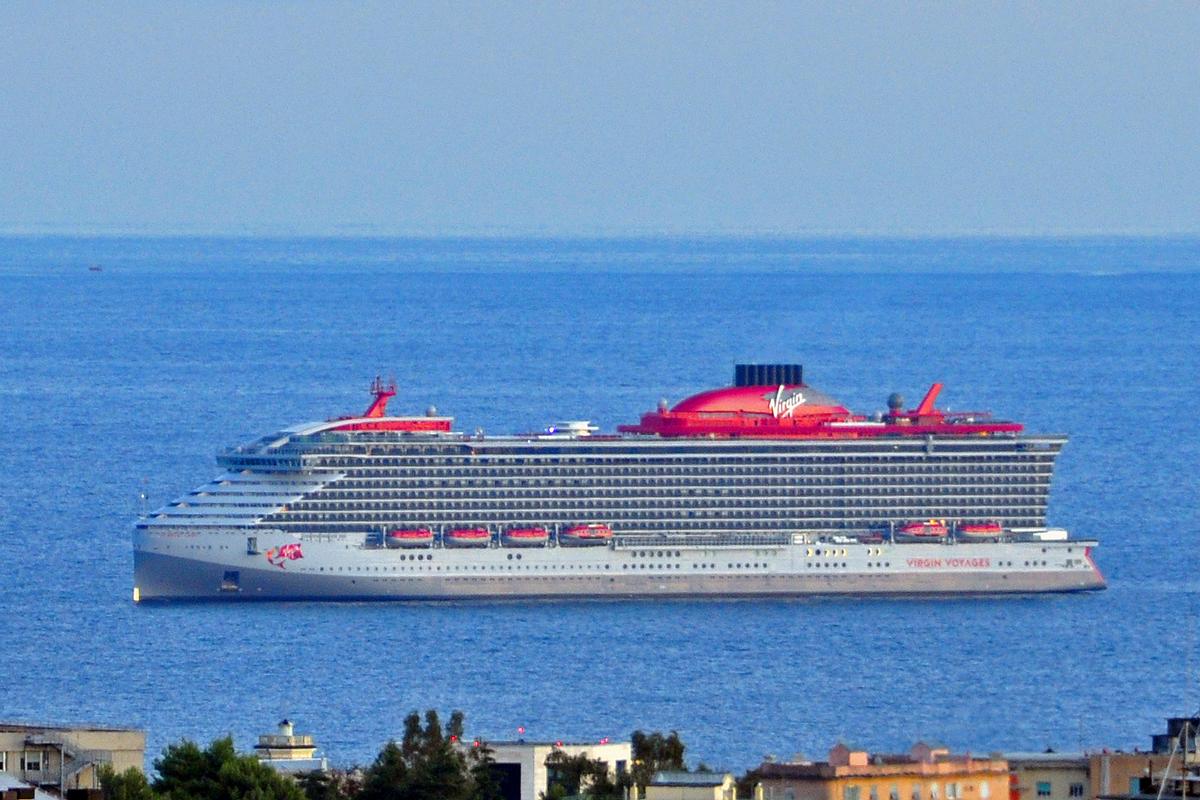
virgin voyages cruise ship
photo credit // wikimedia commons